Grocery price growth slows to lowest level in a year but still well above general inflation
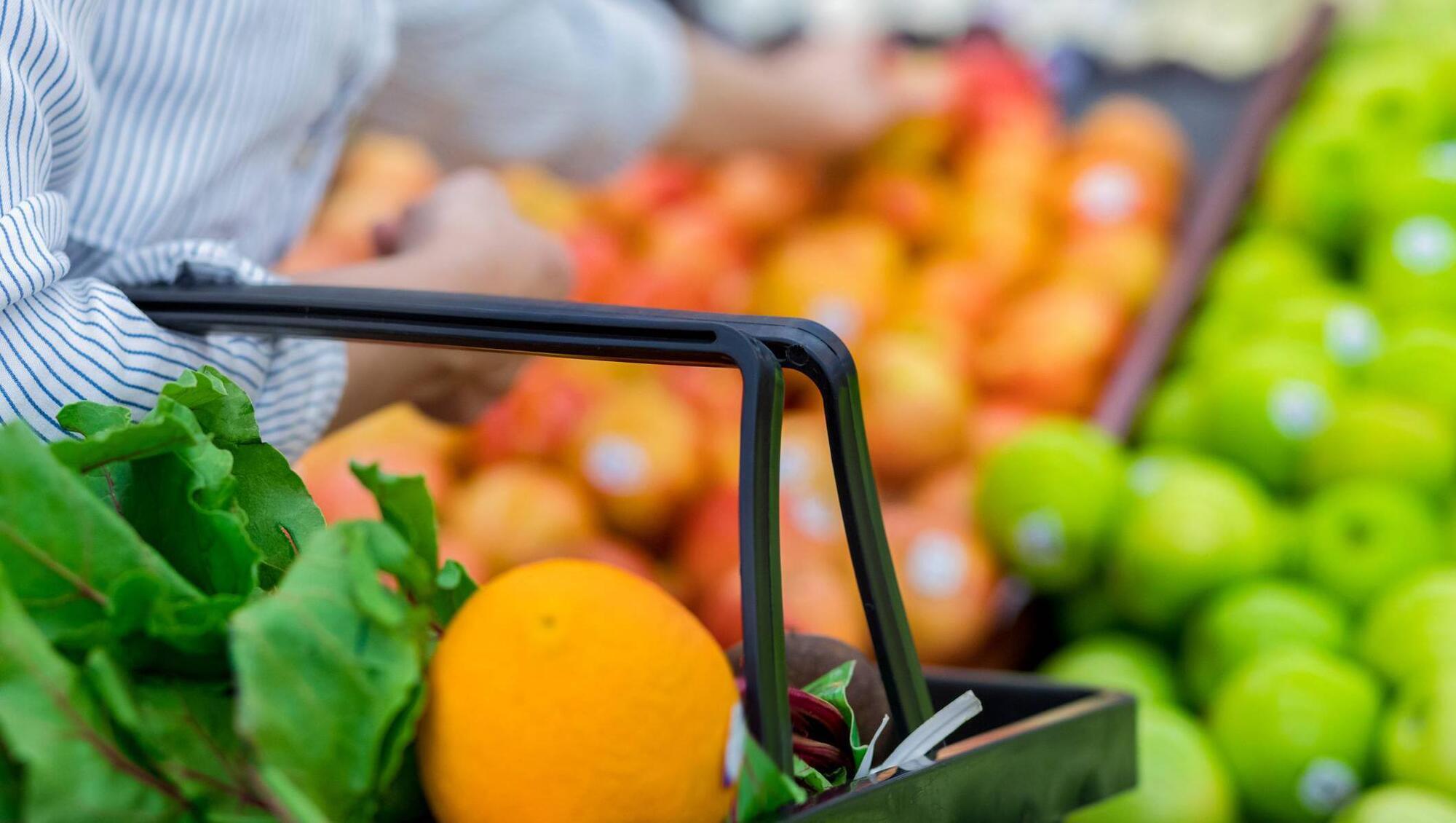
Grocery price inflation is now running at 11.5% — the lowest level since September last year.
Grocery price inflation in September has dropped to its lowest rate in a year but remains very high at 11.5% and still well above the general rate of inflation, new data shows.
Figures from market research firm Kantar show that, compared to August, grocery price inflation has dropped by 1.3% in the 12 weeks to September 3, marking the fourth month in a row that there has been a reduction.
It is now at the lowest level seen since September last year when inflation stood at 11.9%. However, at the time, Kantar said that this rate was the highest level of inflation it has ever recorded since it began keeping track in May 2008.
Despite the reduction in grocery price inflation, general inflation in Ireland rose to 6.3% in the year to August — up from 5.3% in July. Core inflation — which excludes volatile commodities such as food and energy prices — stood at 6.4%.
Emer Healy, business development director at Kantar, said while grocery inflation “is still relatively high” they expect it to continue to fall over the coming months.
The popularity of supermarket’s own-label products continues to increase as people seek cheaper alternatives. Sales of own-label products increased by 11.9% — more than double the sales growth of branded items which increased by 5%.
In value terms, shoppers have spent €10.3m more on own-label products compared to September last year. Own-label value share hit 47.9%, while brands hold a value share of 46.6%.
Kantar said that due to schools resuming, there has been a marked increase in spending on lunch essentials. An additional €7.4m was spent on biscuits, €1m more was spent on breakfast cereals, €2.2m more on cheese, and €947k more on bread.
The data also shows that shoppers visited stores more often this month making one additional trip versus last month. However, they bought on average one item less per month.
In terms of supermarket share of consumer spending, Dunnes Stores receives 23%, Tesco receives 22.6%, and SuperValu 20.6%. Lidl and Aldi receive 13.6% and 12.5% respectively.
The Kantar data is based on more than 30,000 identical products compared year-on-year in the proportions purchased by Irish shoppers.
Last week, Tesco’s Irish operations revealed that it posted an operating profit of €120.35m in the year to February 2023 — the first time it has ever published Ireland-specific statutory accounts.
However, the company said that this represents a 14% decline in operating profit citing higher energy costs, inflation-led price increases, and rising property impairment charges as a result of changing macroeconomic assumptions.
The group's retail sales turnover reached €2.98bn in the 12 months ending in February 2023, up 4.8% on the previous period.
CONNECT WITH US TODAY



Be the first to know the latest news and updates