FSU pushes Bank of Ireland for more clarity on branch closures
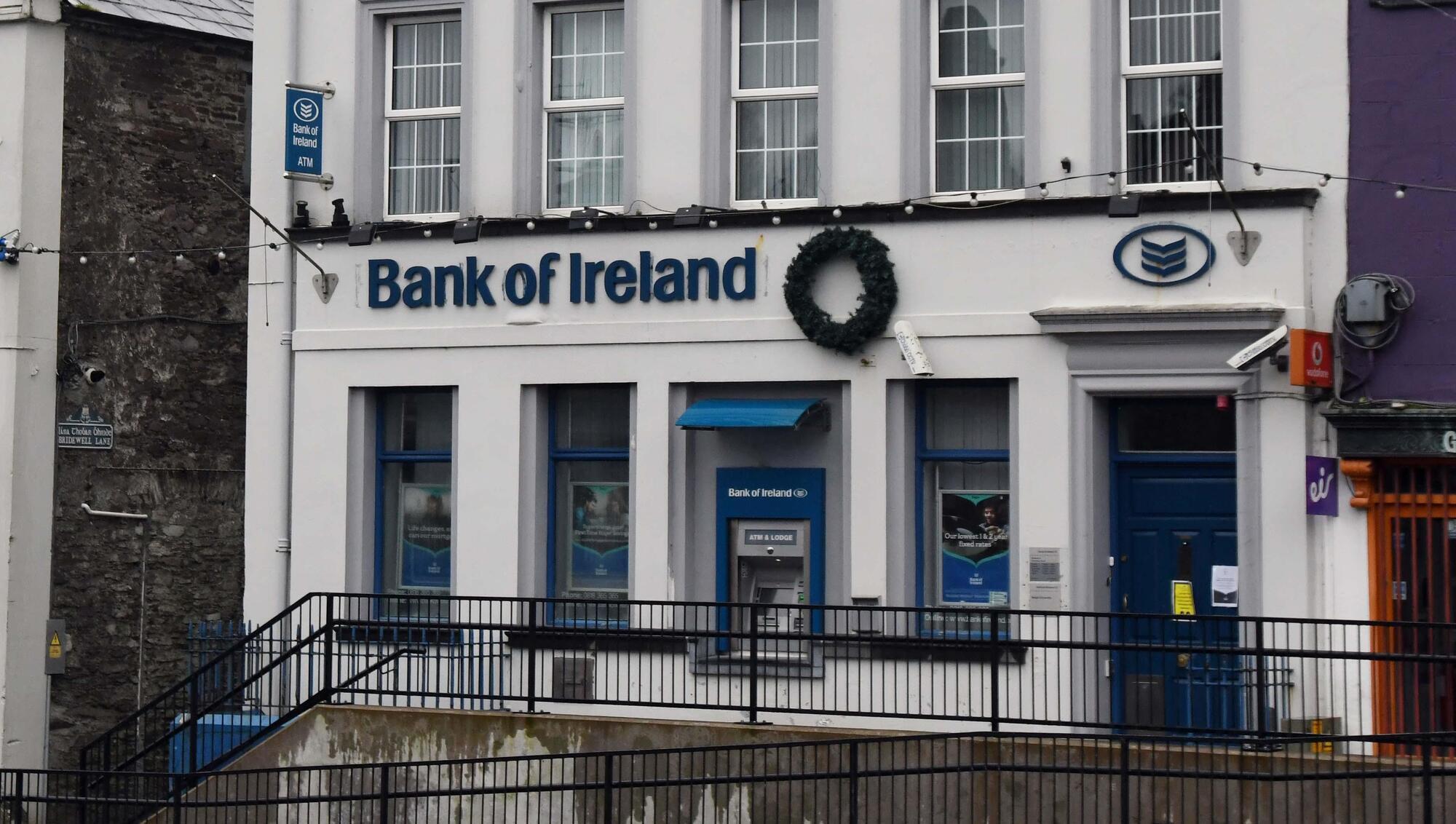
Bank of Ireland says it has reached a ‘tipping point’ between offline and online banking. File Picture: Denis Minihane
One of the main trade unions representing bank workers has called for further clarity from Bank of Ireland over its recent decision to close more than 100 of its branches across the island of Ireland.
Last month, Bank of Ireland announced plans to close 88 branches in the Republic and 15 in the North — giving reduced footfall and a marked shift in customer behaviour towards online banking as its main reason.
It said the closures would begin in September and additional services will be offered through 900 An Post offices in the Republic.
However, the Financial Services Union (FSU) has now called on Bank of Ireland to formally publish accurate footfall numbers for each branch due for closure.
The FSU claims information that it has seen suggests one branch in Dublin, which is due to be closed, has been attracting over 220 people per hour.
Furthermore, the union claims that the information shows that 75% of all proposed closing branches have at least 500 people coming into them on a weekly basis, with 25% of those having between 1,500 and 3,000 customers on a weekly basis.
“Bank of Ireland have led us all to believe that footfall in these branches was non-existent, and that the branches were empty most of the time,” said FSU general secretary John O’Connell.
“These numbers show that even in the middle of a pandemic — and where the branch is only open part-time — people are regularly using their local bank branch."
“Bank of Ireland should now come clean and publish the footfall figures for each of the bank branches they want to close,” Mr O’Connell said.
The FSU wants the Oireachtas committee on finance, public expenditure, and reform to request another meeting with Bank of Ireland, so it can “correct the record” and “outline the real reasons why they are closing branches".
In response, Bank of Ireland repeated its claim that the way people bank continues to evolve, and its customers are using its branches less every year.
“For a long time we have kept branches open when the general trend was to reduce them, but we’ve reached a tipping point between online and offline banking,” a spokesperson said.
"In the two years before the pandemic, the number of people visiting branches had reduced by almost a quarter. Our mobile app is now our most popular way to bank, with almost half a million customer log-ins every day and traffic up by a third in the past two years,” they said.
“We are making the branch changes in a way that protects local access to physical banking for those who want it through the new partnership with An Post,” they said.
CONNECT WITH US TODAY



Be the first to know the latest news and updates