Criticism of spending outside exchequer figures
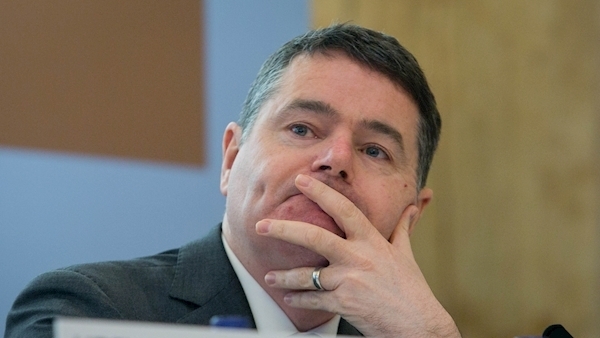
Public spending is more elevated that the exchequer figures suggest and there is little confidence the Government has a grip over health spending after long years of spending over-runs, the Irish Fiscal Advisory Council has warned.
In its full assessment of Finance Minister Paschal Donohoe’s October budget, the fiscal watchdog also said the Brexit threat, although lessened, still hangs over the economy and that any final trade deal struck between the UK and the EU could be worse in terms of trade for Ireland than was once anticipated.
With the Government continuing to rely on corporate tax receipts to fund its budget spending, the council gives it credit for accounting for the effects of current spending overruns.
However, further planned “non-exchequer” spending of €900m through local authorities and housing bodies has not been accounted for in the exchequer sums and overall public spending levels are at more elevated levels than first appears.
Council chair Seamus Coffey said it had no objection to the Government spending money on housing or through local authorities but such capital spending raised issues about the potential breaching of spending rules that were already close to their limits.
Mr Coffey said there were no signs that the Government had got a firm grip on health spending.
“This report also shows that recent health overruns have been largely driven by hospitals, where current spending such as wages dominates overall spending,” the council said in its assessment.
“Repeated overruns in the health budget, averaging around €500m in recent years, are undermining the sustainability of the public finances and health spending needs to be properly managed.”
The watchdog laments that the Government has not used its buoyant revenues which it estimates have been boosted by ‘yearly tailwinds’ of up to €14bn — to run larger budget surpluses and to help the economy survive the risks of Brexit or other economic shocks.
On Brexit, it gives credit to the Government for planning the October budget around a hard or crash-out outcome. It also believes that the UK will need an extension beyond the end of 2020 for it to strike a final trade deal with the EU.
The council said the risk of the UK crashing out of the EU has fallen but that the eventual deal it strikes with the EU could be less favourable for Ireland than the one proposed in the original transition deal.
“Even if the UK agrees a withdrawal agreement and a trade deal with the EU, this may be less favourable than free trade agreements previously envisaged,” it said.
Meanwhile, the economy has continued to expand, despite the Brexit uncertainty, which could mean the risk of overheating grows, as employment rises and unemployment falls.
“A disorderly Brexit is now less likely in the near term, but the economic outlook remains unusually uncertain,” the council said.
“The Government forecasts it will run a deficit in 2020, even before any potential spending for a disorderly Brexit and despite a number of tailwinds including surging corporation taxes.
“This includes saving temporary receipts through a prudence account and the rainy day fund; better guiding net spending growth; and establishing meaningful debt targets.”
CONNECT WITH US TODAY



Be the first to know the latest news and updates