JOHN FAHEY: Draghi tees up markets for paring of deposit rate
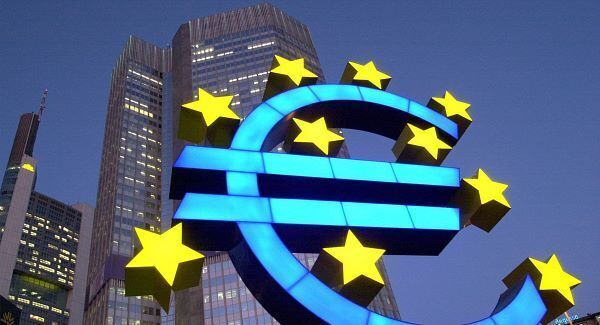
The ECB meeting last week provided a clear signal that the central bank was moving towards introducing new policy easing measures.
In this regard, ECB president Mario Draghi outlined a package of options that will be considered.
These include interest rate cuts, changes to its forward guidance and a restarting of new asset purchases under its quantitative easing, or QE programme.
The meeting statement saw a reintroduction of an easing bias in relation to interest rates.
The ECB Governing Council referenced the possibility of “lower levels” for interest rates in its forward guidance.
The ECB also emphasised it stands ready to adjust all of its instruments and is “determined to act” to ensure that it achieves its inflation target — that is to keep it close to but below 2%.
In preparation for this, it has tasked the relevant ECB committees with examining various options.
This dovish message from the ECB is against a backdrop of subdued economic growth and concerns over the risks facing the eurozone’s growth outlook.
These risks include uncertainties related to geopolitical factors such as Brexit, the rising threat of protectionism, and vulnerabilities in emerging markets.
The ECB also acknowledged that incoming macro data and surveys indicate somewhat slower growth in both the second and third quarters of this year.
Indeed, the release last week of the weaker-than-expected flash purchasing Managers’ Index (PMI) survey data for the eurozone in July provided further evidence of this.
This macro environment is keeping inflationary pressures muted and has seen indicators of inflation expectations decline.
In the press conference, Mr Draghi said that the ECB does not like what it sees on the inflation front.
The latest data show underlying core inflation at a very subdued 1.3% in June.
Meanwhile, in terms of inflation expectations, market based measures suggest inflation is now seen at still being around 1.3% on a five to 10 year horizon.
As a result, the ECB is of the view that it is now more difficult for it to achieve its inflation target without providing additional monetary stimulus.
Mr Draghi said that the governing council had decided to wait until it had its next set of macro projections, which are due in September, before deciding on what action to take.
The ECB’s most recent set of of macro forecasts were released in June.
They showed that it was projecting GDP growth of 1.2% in 2019, and 1.4% expansion in 2020 and in 2021.
On the inflation front, the European Central Bank is expecting a harmonised rate of 1.3% in 2019, 1.4% in 2020, and 1.6% in 2021.
It is important to note these forecasts indicate that the ECB envisages that inflation will remain below its 2% target over the next three years.
The central bank continued to state that the risks to its macro outlook remain “tilted to the downside”.
However, Mr Draghi did assert that the risk of a recession are “pretty low”.
He commented that notwithstanding the weakness in manufacturing, activity levels in the services and construction sectors were resilient, while at the same time the labour market continues to improve, which is supporting consumer spending.
Overall, the July meeting ofthe ECB has teed markets up for policy easing at its next meeting in September.
In terms of market expectations, futures contracts suggest the market is factoring in 10 basis point of easing in the deposit rate by September,and around another 10 basis point of easing in the first half of 2020.

CONNECT WITH US TODAY



Be the first to know the latest news and updates