Why Budweiser pulled mega shares sales plan
For months, executives from Anheuser-Busch InBev raced to prepare for a listing of its Asian subsidiary, Budweiser Brewing Company. It was to be this year’s biggest initial public offering and would surpass Uber Technologies’ $8.1bn (€7.2bn) share sale.
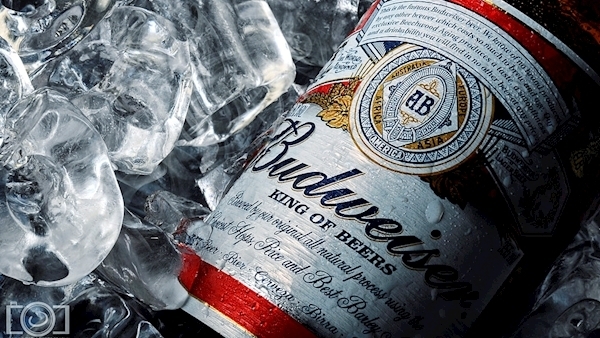
The hope had been that the Belgian company’s leading position in the premium beer market in China — with its millions of drinkers — would justify a target to raise as much as $9.8bn, for a valuation of $64bn. But late last week, AB InBev discovered that wasn’t enough to convince investors to splurge on the King of Beers, forcing it to dial back its ambitions and shelve plans for the mammoth IPO in Hong Kong.
AB InBev’s setback can be explained at least partly by shifting trends in China, where younger consumers are increasingly moving away from traditional beers toward higher-priced craft brews and cocktails. Meanwhile, competition in China is spiking after rival Heineken forged a blockbuster deal with a state-owned company. All that left many investors wary of buying into Budweiser’s richly valued IPO.
“We do feel that there are better places to be invested within beer, such as Carlsberg or Heineken,” Jefferies International analyst Ed Mundy said before the company announced the suspension of the listing. Jefferies had estimated a valuation of closer to $45bn.
In its statement last week, the company said it wasn’t proceeding with the transaction partly due to “prevailing market conditions”. The company may explore options such as selling a minority stake in the Asian business, though there is no immediate plan for a deal, sources said.
From the beginning, investment banks appeared to be overly emboldened by the promise of Asia’s beer boom. Shortly after AB InBev requested proposals last Christmas, one adviser pitched a valuation of $70bn to $80bn.
Seeing the S&P 500 headed for a record high and the success of some IPOs in the US, the company and its lead bankers at JPMorgan Chase and Morgan Stanley decided to offer a bigger stake in the business and try to raise $8bn to $10bn. In the run-up to the pricing of the IPO last week, it became clear that demand from institutional funds didn’t meet the company’s expectations, the people said.
AB InBev then guided investors that it could price the sale at the low end of the marketed range. However, with several funds pushing to lower the price and threatening to pull orders at the last minute, AB InBev had no choice but to suspend the IPO.