German brands set 2024 for self-driving motorway cars
Elisabeth Behrmann BMW and Daimler will offer cars capable of navigating on highways by themselves starting in 2024, as the luxury-car rivals cooperate to speed up the development of autonomous vehicles.

German brands set 2024 for self-driving motorway cars

BMW and Daimler will offer cars capable of navigating on highways by themselves starting in 2024, as the luxury-car rivals cooperate to speed up the development of autonomous vehicles.

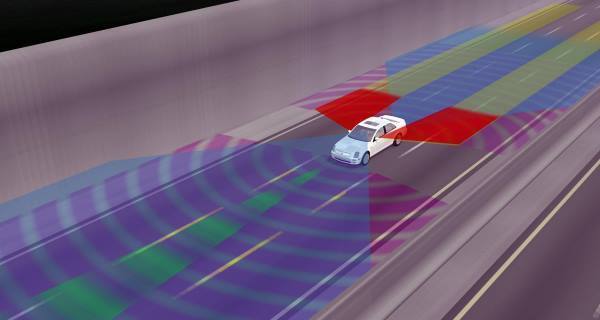
They plan to sell cars equipped with so-called Level 4 self-driving technology, meaning the vehicles could manage motorway driving and parking without intervention from the driver, who will remain behind the wheel.

The firms will pool some 1,200 experts and are holding talks to extend the partnership to develop robo-taxi technology for urban areas, BMW and Daimler said. The German manufacturers signed an initial agreement on autonomous technology in February, deepening their cooperation beyond car sharing and ride-hailing.

Car makers are reaching out to rivals to share surging costs for new technologies. Volkswagen is working with Ford on vans, and may announce a partnership on autonomous vehicles this month.

Both Daimler and BMW have partnerships with other companies to develop self-driving autos. BMW in 2016 began working with Intel, Mobileye, and others on technology for its iNext vehicle that’s due to go on sale in 2021. The car will have Level 3 autonomy, which means it can operate on its own but requires driver supervision.

Daimler is starting a pilot for self-driving vehicles in urban areas this year with partner Bosch.

Meanwhile, Qualcomm, BMW, and Deutsche Telekom clinched a victory after EU member states scrapped new rules mandating WiFi technology as the basis for how future connected cars talk to each other.

The ruling is victory for 5G technology as countries around the world prepare for the roll-out of ultra-fast 5G wireless networks, which will power everything from self-driving cars to smart factories.

The legislation — first proposed in March by the European Commission — aimed to govern how future connected and automated cars in Europe send information between vehicles and infrastructure, in order to communicate about dangerous situations, road works, traffic lights and more. The companies had been urging MEPs to veto it out of concern it would force them to make additional investments to fit a soon-to-be-outdated technology, saying WiFi offers poorer performance than future 5G networks.

The decision by the member states forces the commission back to the drawing board to come up with a new proposal. Volkswagen, General Motors, and Volvo have been proponents of the draft rules favouring WiFi systems.

- Bloomberg

x

More in this section

The Business Hub

Newsletter

News and analysis on business, money and jobs from Munster and beyond by our expert team of business writers.

Cookie Policy Privacy Policy Brand Safety FAQ Help Contact Us Terms and Conditions

© Examiner Echo Group Limited