UK may raise rates in May
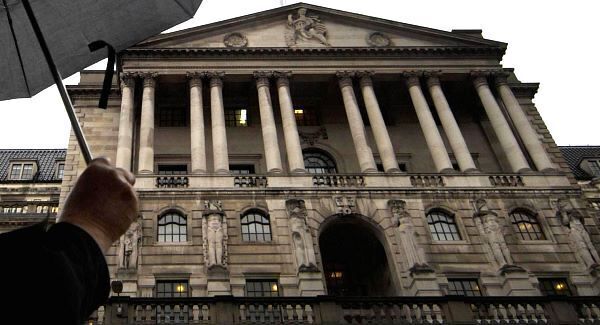
Last week’s Bank of England meeting saw the central bank leave its key rate unchanged at 0.75%.
However, the meeting and accompanying inflation report demonstrated that the bank has a very clear tightening bias. Its assessment is that demand in the economy will grow over the next three years at a faster pace than the rate of supply growth, leading to rising domestic cost pressures.
As a result, the Bank of England expects that further rate rises will be necessary to return inflation to its 2% target.
UK inflation, while easing in recent months, remains above the bank’s target. It currently stands at 2.4%, down from a peak of just over 3% reached towards the end of last year.
It is anticipating that inflation will remain above its 2% target for most of the next three years. However, given the huge amount of uncertainty that still prevails over Brexit, the bank appears on hold for now and it gave no indication that a rate hike is imminent.
Futures’ contracts indicate that the market expects the next rate hike to occur around next summer and are pricing in another hike by end-2020. This would bring the bank rate up to 1.25%.
However, if a soft Brexit materialises, then UK rates could rise by more than the market envisages. The UK economy has regained momentum after a weak start to the year.
At the same time, the UK labour market has tightened considerably. The latest reading shows the unemployment rate down at an exceptionally low 4% in the three months to August.
The tighter labour market appears to be starting to translate into firmer wage growth. Underlying earnings rose 3.1% in year-on-year terms over the same period, its highest rate since January 2009.
Therefore, given the improved momentum in the economy, rising wage growth and the likely persistence of above-target inflation, in the event of a soft Brexit, we think the bank could hike rates by more than is currently being priced in by markets.
The next rate rise could come by May. Of course, in a disorderly or hard Brexit outcome, the bank may have to cut rates next year because of the negative impact on the economy of such an event. Thus, the options facing the Bank of England look binary in 2019, with Brexit deciding whether rates go up or down.

CONNECT WITH US TODAY



Be the first to know the latest news and updates