US and European visitors offset UK drop-off for hotels
Significant growth from US and continental European visitors helped offset the drop in numbers from the UK, leading to the seventh consecutive year of growth in overseas numbers at Irish hotels.
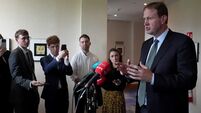
Speaking before the Irish Hotels Federation’s 80th annual conference in Cavan, chief executive Tim Fenn said that the hotel and guesthouse sector had benefited from what was another fantastic and record year for Irish tourism.
The average national room occupancy rate was 73% during the year, according to the IHF.
Mr Fenn said the outlook for the sector remains positive with hoteliers confident about the future growth of the tourism and hospitality sector.
“We are on track to create a further 40,000 tourism jobs by 2021. These are in addition to the over 60,000 new jobs that have already been created since 2011, an increase of 33%, compared to a rise of 13% in employment throughout the overall economy,” he said.
The tourism industry claims to be Ireland’s largest indigenous employer, supporting approximately 230,000 jobs or 11% of total employment, with approximately 60,000 of these jobs in the hotel sector.
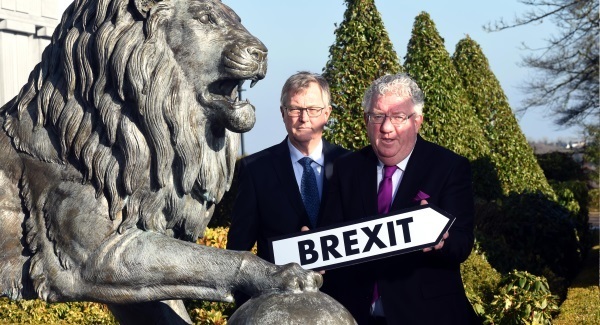
Mr Fenn warned Brexit continued to take its toll on the sector.
“UK has the widest seasonal and regional spread of all our markets, with rural tourism, which has only recently begun to enjoy the recovery in any real measure, the most vulnerable.
“Some 80% of the flights into Knock airport last summer originated in the UK compared to 56% into Cork and 37% into Dublin.”
Mr Fenn said progress had been made in recent years in market diversification and targeting higher spending markets.
He said significant increase in air access to Ireland during 2017 including Norwegian Air’s six new US routes had helped growth.
Mr Fenn said significant Government supports continued to underpin the growth of the sector, highlighting the retention of the 9% VAT rate, which he said has “leveled the playing field for Irish tourism and brought Ireland into line with our competitors in Europe”.

CONNECT WITH US TODAY



Be the first to know the latest news and updates