Bank of England likely to hold firm in response to US quantitative easing
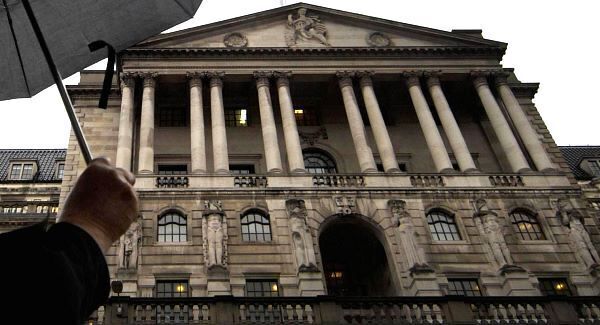
The Bank of England is unlikely to follow the US in pumping further cash into the economy today, citing a recent run of positive data.
The City had been expecting the Bank's Monetary Policy Committee (MPC) to announce additional measures to encourage the nascent recovery amid fears of a double-dip recession, worsened by the impact of the British government's deficit-busting spending cuts.
But UK economists now believe higher-than-expected third quarter GDP growth of 0.8%, as well as upbeat manufacturing data, has diminished the case for further quantitative easing (QE) and expect no change in policy. The level of QE is currently £200bn (€228bn) and interest rates are at an historic low of 0.5%.
The Bank's decision will be under increased scrutiny after the US Federal Reserve, its American counterpart, last night unveiled its own US$600bn (€423.2bn) programme, dubbed QE2.
The MPC was split three ways last month as rate-setters remained undecided over its stimulus package.
Minutes of its October meeting showed that one member - Adam Posen - called for a £50bn (€57bn) hike in QE, while Andrew Sentance maintained his vote for a rate hike to 0.75% to calm inflation.
Howard Archer, chief economist at IHS Global Insight, said this position was likely to remain the same.
He said: "Up to the release of the third quarter GDP data, it had seemed increasingly likely that the MPC would engage in further QE, and possibly as early as the November meeting.
"These expectations had been fuelled by recent signs of faltering growth and confirmation in the Government's spending review that it is pressing ahead with major fiscal consolidation."
He went on: "However, we suspect that the resilience of GDP growth in the third quarter and decent survey evidence for October will convince most MPC members that there is no need at this stage at least to provide further support to the economy."
Economists, however, have not ruled out further QE and expect to see a second push in the new year.
Commenting ahead of today's decision, David Kern, chief economist at the British Chambers of Commerce, said: "While it would be understandable for the MPC to leave the quantitative easing programme unchanged, a further increase must remain under serious consideration.
"While we support the Government's determination to restore stability to our public finances, the risks of a setback remain serious, and every effort must be made to minimise the dangers of a new downturn."
In the US, a sluggish recovery provided the Fed, led by Governor Ben Bernanke, with a case for further QE.
Consumer confidence, new home sales and manufacturing performance have been volatile, and despite a flurry of upbeat reports recently, unemployment is still close to 10% and inflation is critically low.