G20 moves closer to agreement on currencies
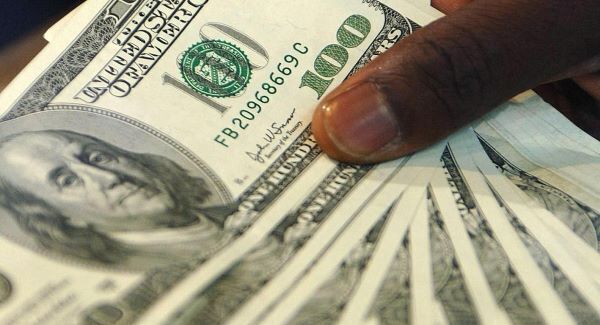
A high-level meeting of the world's major economies is moving closer to an agreement on policies to reduce currency tensions that threaten the global recovery, a US official said today.
But any accord from the meeting of Group of 20 finance ministers and central bank governors in the South Korean city of Gyeongju is unlikely to include specific targets for reducing the vast trade surpluses that emerging nations, China particularly, have with the West.


Read

Listen

Watch

Play
CONNECT WITH US TODAY



Be the first to know the latest news and updates







The Business Hub
Newsletter

News and analysis on business, money and jobs from Munster and beyond by our expert team of business writers.
Business
Push Notifications
By clicking on sign up you will be the first to know about a selection of business content on this browser. Please note if you are unable to sign up via your mobile web browser, download and sign up for mobile push notifications via our FREE news app.
Sign Up

The Business Hub
Newsletter
News and analysis on business, money and jobs from Munster and beyond by our expert team of business writers.

Lunchtime News
Newsletter
Get a lunch briefing straight to your inbox at noon daily. Also be the first to know with our occasional Breaking News emails.
Most Read
Thursday, October 1, 2026 - 7:00 AM
Wednesday, September 30, 2026 - 5:00 PM
Thursday, October 1, 2026 - 8:00 AM