Pondweed research aims to help combat pollution of waterways
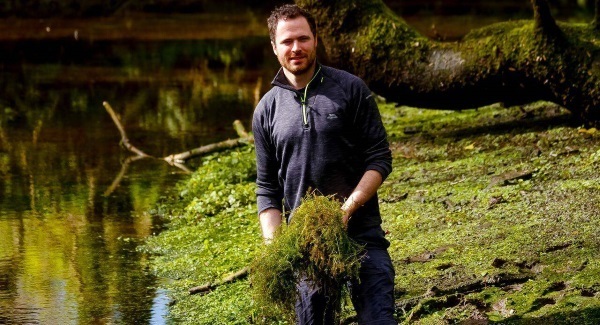
THE battle against pondweeds and other species that can damage the environment and tourism when they invade rivers and lakes needs to be supported by more work to prevent human pollution.
The recommendation comes from a researcher who has shown a direct link between the presence of invasive species in Irish bodies of water and the pollution from agriculture or wastewater.
Darren Reidy is finalising a report for the Environmental Protection Agency, which will be based on findings from his ongoing PhD research.
His analysis so far of samples taken from over 100 waterways — mostly standing-water lakes, ponds and reservoirs — means there is now evidence of the strong link.
The doctoral study he hopes to conclude at University College Cork this summer will provide a better understanding of these plants in an Irish context, leading to strategies that can see them better managed.
One of the four main species he has been examining is the lagarosiphon major pondweed, which has been present on Lough Corrib for about 20 years and the subject of control efforts for over a decade.
“Inland Fisheries Ireland have spent a lot of time and money trying to control it, because of the effects on recreation and tourism,” said Darren.
The management of such species also involves restricting its spread from one river or lake to another. Campaigns in many places seek to ensure fishermen and other recreational water users disinfect fishing equipment and clothing before and after use.
But Darren’s work is also deciphering how small fragments of particular species need to be, or how long they survive out of water, to be able to be disbursed.
Such information might also help in the bio-security measures that aim to restrict the ability of water users to unknowingly transmit harmful weeds and other species to another river or lake.
Although the presence of other pollutants in water bodies affected by invasive species has been the subject of previous international research, he said such plants have never been looked at in detail in an Irish context before.
“The evidence now exists to suggest a strong correlation between nutrient or phosphates and the occurrence of aquatic plant species in this country. If a river or lake system has been damaged by pollution, it will be more vulnerable afterwards,” Darren explains. “You could liken it to our own immune systems. If we’re strong and healthy, we’re able to defend ourselves from pathogens or disease. But if we’ve been weakened by some damage to our immune system, our natural defences are weakened.”
The parallel in lakes or other bodies of water is that, if there is a long-running or even a one-off pollution event, there may be a reduction in plant and animal diversity.
Although he says that Inland Fisheries Ireland already do a lot of good enforcement work, reducing vulnerability to harmful species requires continued and increased prevention of pollution.
“When that diversity is reduced, it can create a niche for invasive species to come and take over,” said Darren.
“I would advocate that we need to manage our waterways and maintain water quality and healthy ecosystems that are more resistant to invasion,” he said.
His work over the last four years has examined 75 bodies of water in Co Cork, and he also took samples from 30 others on the rest of the island of Ireland.
The native of Listowel, Co Kerry, previously completed a masters on ecological assessment, examining the impact of human activity on ecosystems.
“Growing up, my dad was a keen hiker, so we were always out on mountains and enjoying the great outdoors, particularly down around Killarney. That’s probably how I became interested in the environment and conservation,” he said.
Before beginning his PhD at UCC, Darren worked as an education officer in Killarney National Park for a number of years, and was also a science and nature broadcaster on local radio.
Plain-speaking explanation of research earns prize in Science for All competition
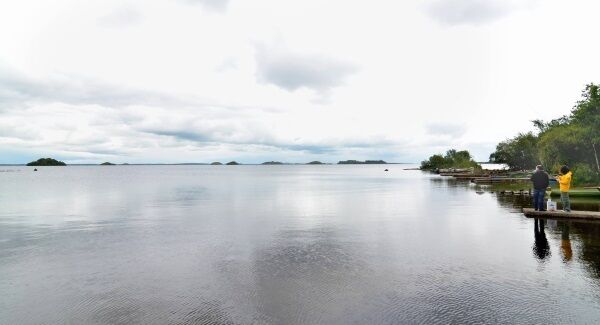
Darren’s ability to detail his research in the area of aquatic invasive plant species to a non-academic audience has won him a prize at University College Cork for explaining science in plain-speak.
The Science for All competition gives the public a chance to hear about some of the postgraduate scientific research at the college, but also allows the researchers to hone their communication skills in front of an audience.
Such talents are increasingly important in maintaining public and Government support for publicly funded science, with growing requirements placed on researchers to explain and promote their work publicly.
But the event also helps to promote interest in science among prospective future students, who get to see early-career scientists outlining the exciting work they are doing, expressed in easily understandable language.
Darren’s recent success in the 13th running of the event came following a final in which he competed with researchers from UCC’s microbiology and chemistry departments, and its Alimentary Pharmabiotic Centre.
Among the other topics explained were research to help prevent digestive issues associated with travelling, and the role of bile in lung disease such as cystic fibrosis.
CONNECT WITH US TODAY



Be the first to know the latest news and updates