Paschal Donohoe fires shot across bow of unions ahead of pay talks
The crisis is dead, long live the crisis.
Yesterday the Dáil voted to approve the shambolic deal on water charges hammered out by Fine Gael and Fianna Fáil by 92 votes to 47.
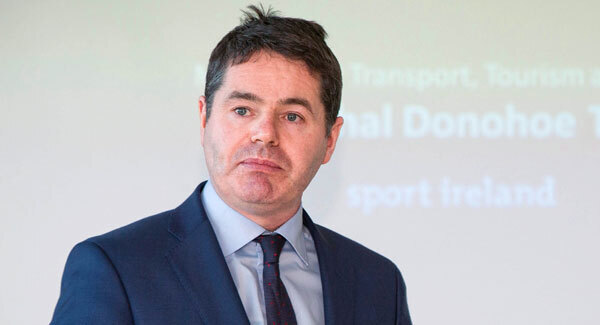
Within minutes of the vote, Public Expenditure Minister Paschal Donohoe was on his feet taking questions.
Asked by Fianna Fáil’s Dara Calleary about the pending public sector pay talks, Mr Donohoe perhaps somewhat predictably said there will be some difficulty in meeting the added cost generated by pay demands.
Water aside, public sector pay was always going to be the big challenge of 2017 and the minister has made it known in recent weeks just how tricky things are likely to get. Carry-over costs of additional commitments made on spending and tax last year will reduce the room available in the budget to cut taxes and raise spending to around €550m, well below the €1.2bn figure for Budget 2017.
Mr Donohoe is waiting for the public service pay commission to conclude its work, sometime before June, but his comments in the Dáil can be seen as a shot across the bows of the unions who are demanding hefty pay increases for their members.
His language was unambiguous: “The commission will have regard to the state of the national finances. I expect the commission to report by May or even before then. They are going to be very difficult discussions and negotiations.
“For next year, commitments made by the Government to increased levels of social welfare and funding our tax reform plans means the net amount of additional resources will be around €500m. That is a considerable amount of money but is against all the competing demands for additional spending on services. It is an amount of money that very careful choices will have to be made,” he said.
Those competing demands are considerable and while Finance Minister Michael Noonan was speaking yesterday of having more money than expected to play with, any additional income is likely to be modest.
The challenge facing Mr Donohoe is that he needs to have any talks with unions concluded in time for budget day in October. Given he is seeking to try to create another universal pay deal for all public servants, the challenge is a significant one with unions in a belligerent mood.
His predecessor Brendan Howlin experienced significant difficulties in trying to secure the Lansdowne Road deal with several groups rebelling against it.
As the old song goes, there may be trouble ahead.