UK takes aim at excessive executive pay
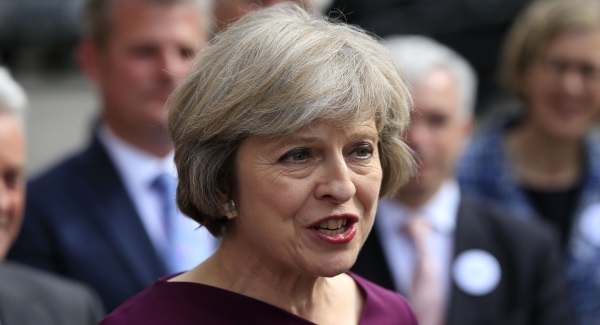
Ms May is walking a fine line, not wanting to attack business at a time when she needs companies’ support to prepare for Brexit but also trying to keep on board voters who want to leave the EU and are frustrated with growing inequality.
Taking aim at high executive pay, company boards and the behaviour of large, privately held businesses, her government will ask for opinions on questions such as: Should a new pay ratio reporting requirement be introduced?
But among dozens of proposals, Ms May’s plans to have workers represented on boards have been watered down, with UK business minister Greg Clark saying the government would not “overturn” Britain’s successful system of having unitary boards.
In a statement, the Conservative government said it wanted to stop “an irresponsible minority of privately-held companies acting carelessly — leaving employees, customers, and pension fund beneficiaries to suffer when things go wrong”.
“Ordinary working people, who work hard for their living deserve to have confidence businesses act responsibly and fairly,” Mr Clark told parliament.
“There is no conflict between good corporate governance and profitability,” he said, describing the government as “unashamedly pro-business” to ease concerns in some companies their businesses may be undermined by the reforms.
In a speech to her Conservative Party last month, May struck fear in some business leaders when she announced “a change has got to come” because the “actions of the few tar the reputations of the many”.
Adam Marshall, director-general of the British Chambers of Commerce, a leading business lobby group, welcomed the proposals but warned Ms May that “heavy-handed regulation could reduce investment or create significant costs for firms”.
“Reforms need to be proportionate, and businesses will want reassurances from government any changes resulting from these proposals will not create additional, costly regulatory burdens for medium-sized and smaller companies,” he said.