UK plans ‘steady’ budget, softens Brexit talk
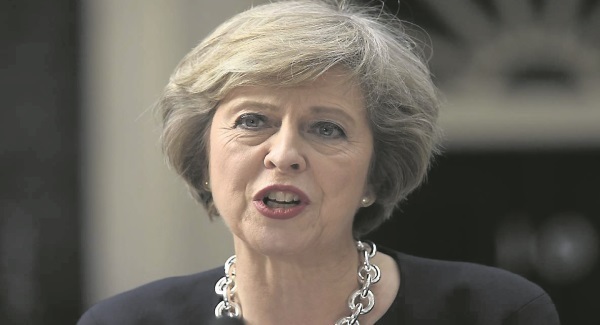
“Our work is on track, we do stand ready to trigger Article 50 before the end of March, or by the end of March 2017,” she told German chancellor Angela Merkel during a joint media briefing in Berlin ahead of a bilateral meeting.
Ms May’s comments follow persistent criticism from opposition lawmakers that the British government does not have an exit strategy.
There is also the possibility that her plans could be delayed by a legal decision that she must win parliamentary approval before triggering Brexit. Her government’s appeal against that decision will be heard in early December.
“I want to see this as a smooth process, an orderly process, working towards a solution that is in the interests of both the United Kingdom but also in the interests of our European partners too,” Ms May said.
Ms Merkel said it would not be possible to discuss Brexit in detail during their meeting as Britain has not yet started the formal process of leaving the bloc.
Commentators have interpreted Ms May’s recent speeches as suggesting her position on key aspects of Brexit has evolved since she took office in the aftermath of the June 23 referendum.
Together with public comments by ministers in her Conservative government, the changes appear to suggest she has shifted from favouring a “hard Brexit” — a clean break with the EU’s single market of 500 million consumers — to supporting continued membership of that market if possible.
The prime minister has declined to say whether she wants Britain to remain in the single market. Her aides say she is considering all options.
Richard North, a former speechwriter for several eurosceptic lawmakers, said the phrase “operate within” [used by Ms May] is telling.
“She is very, very precise and there is no way that she is saying anything other than she’s going after the single market within a negotiated settlement,” he said.
A spokeswoman for Ms May said the UK government was “going for a bespoke deal” and declined to comment on speculation of what that agreement might look like.
Meanwhile, British chancellor Philip Hammond is likely to announce a “steady as she goes” budget plan next week without big tax or spending surprises, and he will avoid setting a firm target for turning Britain’s budget deficit into a surplus, a lawmaker said.
Stephen Hammond, who is a friend of the minister and a member of his Conservative party but is not related to him, told the BBC that Philip Hammond would not announce, on Wednesday, a big increase in spending to help the economy during the uncertainty caused by June’s vote to leave the EU.
Britain’s new government has said it will drop the target of former Chancellor George Osborne of a budget surplus by the 2019/20 financial year, the last of the current five-year parliament, but will still push to eliminate the deficit.
Many economists expect the British government is now on course to borrow £100bn more pounds than it previously expected over the next five years.