Sterling rises but Brexit volatility likely to last
It rallied as traders took advantage of its slide to a five-year low against the euro and a drop to its weakest level since 1985 versus the dollar.
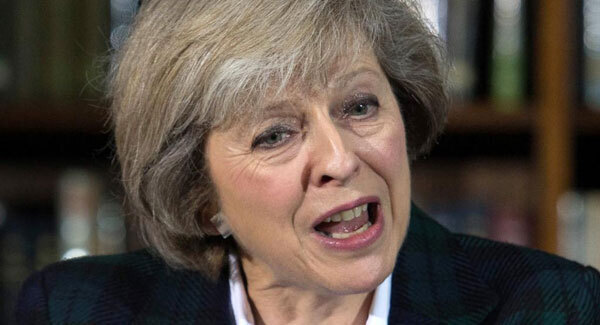
It had tumbled after prime minister Theresa May set a March deadline for triggering the UK’s exit from the EU, with its drop hastened by reports that the new premier wouldn’t give financial services special treatment in negotiations with other leaders.
“People will be starting to think, yes, we’ve had some newsflow about Brexit, but does this really imply that we’ll have a hard Brexit? Isn’t it still more likely we’ll have a soft Brexit?” said Ulrich Leuchtmann, head of currency strategy at Commerzbank in Frankfurt.
“It’s a perfect time to take profit because this kind of newsflow that’s been hitting sterling in the last few days now abates,” he said.
Sterling strengthened 0.1% to 87.94p in late London trade, after sinking to 88.43p, the lowest since September 2011. It was little changed at $1.2731, having touched $1.2686, the lowest level since 1985.
The prospect of a deal that prioritises controlling immigration at the expense of special access to the single market has spooked currency traders in recent days, sending the pound lower.
Still, Ms May has given little away in terms of what sort of Brexit deal the UK will actually seek from the EU’s 27 remaining members, telling delegates to the Tory party conference yesterday that she won’t be giving a “running commentary” on the talks once they start.
“There’s a bit of buying interest and consolidation after a pretty sharp move lower,” said Viraj Patel, a London-based foreign- exchange strategist at ING. But we still think sterling will remain well-offered going into this week’s US jobs report,” which is due on Friday.
London traders warn that there could be huge amounts of volatility because there are so many politicians across Europe who are already setting out their stalls.
A preview of the impact foreign leaders can have came two weeks ago when Tomas Prouza, the Czech Republic’s top negotiator, said there’s “zero chance” Britain can clinch a deal with both immigration curbs and free-market access. The pound fell to the lowest in almost a month against the dollar.
It also fell at one stage yesterday, when Ms May told her party conference that “change has got to come” on immigration, which could stoke concern the UK is heading for a so-called hard Brexit with limited market access.
“There’s a lot of people to listen to, and this is why it’s becoming very difficult for investors to get any sort of lead on what the state of play is within the UK exit negotiations,” said Alex Dryden, a London-based global-markets strategist at JPMorgan Asset Management.
“There are a lot of people around the negotiating table. It’s not just the prime ministers or the leaders of those countries. It’s the influential members within the various cabinets,” he said.
The “different voices have reminded the market that we don’t really know what Brexit will actually look like. That’s partly the reason we’re bearish on the pound. It added another source of potential risk and volatility,” said Chris Chapman, a trader at Manulife Asset Management.

CONNECT WITH US TODAY



Be the first to know the latest news and updates