Google ups the ante in modern technology battle with Daydream View and Pixel
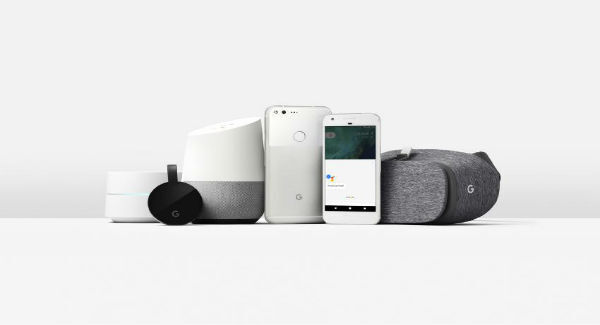
Google yesterday released a virtual reality headset that is cheaper than other options in the market.
Google ups the ante in modern technology battle with Daydream View and Pixel

During an event in San Francisco, the company introduced Daydream View, a headset and controller for viewing virtual reality media with a smartphone. At $79 (€70), the price is well below products from HTC and Facebook’s Oculus, which cost hundreds of euro.

Google has had some success distributing its Cardboard device, an even cheaper VR viewer with fewer capabilities. The new headset will enable a broader range of VR experiences, such as gaming and movies.

The launch coincides with the release of Daydream, software that Google hopes will replicate the far reach of its Android mobile operating system. By making its VR gadgets cheap, the company aims to get its system used by as many people as possible.

Still, the only phone that currently works with Daydream View is Google’s new Pixel smartphones.

“The significance of Daydream is it should move the VR theme forward because it raises the hardware bar on phones needed for VR,” said Gene Munster, an analyst with Piper Jaffray. “In three to five years, most Android hardware will be Daydream-enabled.”

Google has also released its own smart home device to chase rival Amazon. In the two years since Amazon released its Echo speaker, the household device has become a surprise hit and a surprise threat to Google, as users turn to the Echo for information from the web.

Now Google is trying to strike back. Yesterday, it introduced Google Home, a voice-controlled wireless speaker that looks and acts much like the Echo.

The device comes packaged with Google’s digital assistant technology, a conversational interface that is becoming increasingly critical to the company as its main business, Search, adjusts to a world without screens.

The speaker is integrated with other smart-home devices from Philips, Samsung, and Nest, a separate division of Google parent Alphabet.

Google Home and the assistant are being introduced nearly two years after Echo and its equivalent virtual assistant, Alexa, came to market. Apple is also working on a speaker device integrated with its Siri voice technology.

x

More in this section

The Business Hub

Newsletter

News and analysis on business, money and jobs from Munster and beyond by our expert team of business writers.

Cookie Policy Privacy Policy Brand Safety FAQ Help Contact Us Terms and Conditions

© Examiner Echo Group Limited