IFAC tells Michael Noonan: No more fiscal surprises
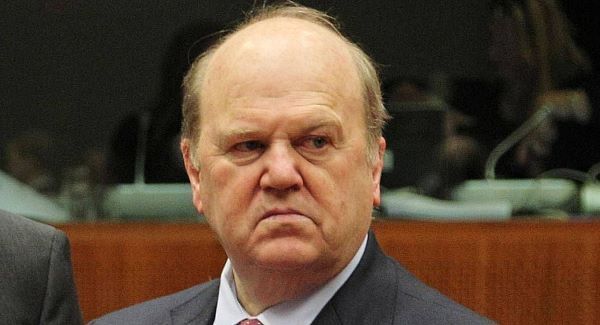
The Irish Fiscal Advisory Council (IFAC) said the economy is already growing strongly and for Mr Noonan to sanction any more than the €1bn he has indicated for spending increases and tax cuts in his October budget would be unnecessary and unacceptable.
In a pre-budget report, IFAC said the budget package is already worth €2.4bn when various spending promises such as expenditure to plug the health deficit are taken into account.
IFAC chair John McHale and chief economist Thomas Conefrey said they are worried the Government will exploit a technical rule involving the treatment of AIB preference shares to allocate further spending this year.
Only days before the budget last year, the Government sprung a surprise by announcing €1.5bn in additional spending.
With the official budget tax cuts and spending increases amounting to a further €1.5bn, the total measures amounted to a €3bn stimulus to the economy this year.
There is room for modest tax cuts but it is not advisable to push the boat out any further “because when you put together the various expenditure measures already announced and adding on the €1bn then you arrive at €2.4bn”, said Mr Conefrey.
“There are risks from Brexit and we have a high level of debt. The economy does not need a stimulus from a more expansionary budget because it is growing. There is no need to go beyond what the Government has already announced,” he said.
The IFAC analysis shows an additional €500m has already been allocated this year to health and €40m to the Department of Justice “which is carried forward into the expenditure base” for next year.
Other pre-committed spending items add a further €900m, including €400m to meet spending for an ageing population, €300m for the public wage bill under the Lansdowne Road Agreement, and €200m for capital spending and other projects.
The Government’s Summer Economic Statement has estimated a fiscal space of €1bn for 2017, said the IFAC report, for spending increases and tax reductions in next month’s budget.
Following the huge revisions to Irish GDP levels, IFAC is working with a panel including the CSO and Central Bank representatives to find a better ways to measure activity in the economy.
The revisions have also distorted the ratios measuring debt levels.
In the past, estimates for the national accounts have been distorted by so-called intangible investments involving the huge aircraft leasing industry that is based in the country, but the industry played only a minor part to the revisions this time.
It points out that the huge scale of the revisions — including an enormous increase of €300bn in the capital stock in the national accounts — implies that balance sheets of large companies were transferred into Ireland last year.
In its report, IFAC also identifies a huge surge of €23bn to almost €75.4bn in pre-tax company trading profits, in 2015, and warned that relying on a few multinationals for a large part of corporate tax revenues exposes the Government finances to increased risks.
CONNECT WITH US TODAY



Be the first to know the latest news and updates








