Sterling slides again versus the euro
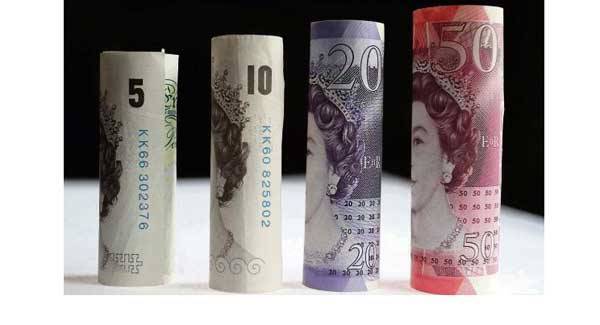
It slid 1% to 80.08p per euro, having yesterday touched 80.20p, the weakest level since late November 2014.
The UK also fell for a third day against the dollar. Data on Thursday had shown the UKâs current account deficit widened to the largest percentage of GDP on record. The pound dropped even as a separate report showed the UK economy grew at a faster pace than previously estimated at the end of 2015.
It meant sterling finished its worst quarter since 2008 against the euro, amid concern Britain will vote to leave the EU on June 23, and that investment flows will slow. The currency has also been under pressure as traders reduce bets that the Bank of England is getting closer to raising interest rates.
Meanwhile, shares in Europe started the new quarter with fresh declines as oil companies tumbled and investors assessed the implications of better-than-expected US jobs data.
US employment climbed and wages picked up in March, according to a US Labour Department report. The jobless rate crept up to 5% as more people entered the labour force.
Traders have cut the odds of an April rate rise by the US central bank to zero, with the probability of a June move seen at 28%. European shares briefly pared losses after the release before extending their retreat.
âThe market is missing confidence,â said Mathias Haege, who helps oversee âŹ300m as managing partner of MaxAlpha Asset Consultant in Frankfurt.
âAt the end of the day, it doesnât matter what central banks are doing if economic growth doesnât accelerate and corporate earnings continue to shrink,â he said.
âIt looks like the data from the US has fallen firmly into the âGoldilocksâ category again: Jobs growth was strong, as was the ISM manufacturing figure, with the new orders sub-index particularly encouraging, but wages were relatively tepid,â Chris Beauchamp, senior market analyst at IG said.
âWhen combined with Janet Yellenâs speech earlier in the week, the overall tone is supportive of equities.
âWhether this will be the case come Monday, when the quarter will really get underway, remains to be seen,â he said.
A measure of energy-related companies fell the most of the 19 industry groups on the Stoxx Europe 600 Index, with Total leading the retreat.