Sterling’s steep fall against euro erodes gains for Irish firms
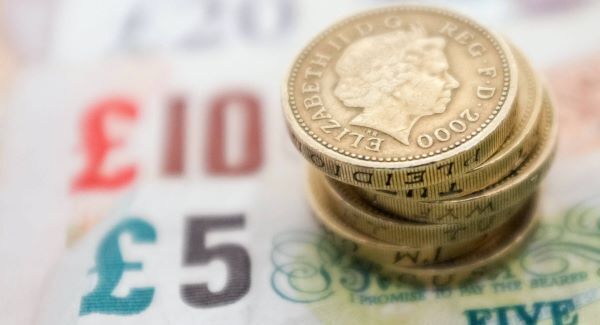
The UK currency slid against 15 of its 16 major peers. It was little changed against the dollar as a separate report showed the UK economy grew more than previously estimated at the end of 2015.
On a trade-weighted basis, the UK currency headed for its worst quarter since 2009 amid concern that if Britain votes to exit the EU on June 23, it would hurt economic growth.
A so-called Brexit could also make it harder for the nation to fund its current-account deficit with overseas investment.
The pound fell 0.6% to 79.34 pence per euro, the steepest decline since March 22.
Sterling was little changed at $1.4367.
According to a Deutsche Bank trade-weighted measure, the UK currency has dropped about 6.1% this year, which would be the biggest quarterly decline since September 2009.
“The current account deterioration was more notable than the GDP revision,” said Steve Barrow, head of Group-of-10 strategy at Standard Bank in London.
It’s “not helpful when you’re going to have a referendum on whether to split from your major trading partner. The headlines hurt sterling a bit, but the breakdown is not as bad as the headline might suggest. Weak commodities are eating into investment income for companies with overseas operations. If commodities recover, so should this part of the current account.”
Britain’s current account deficit has surged to a record high, underscoring a weak spot in an economy that is coming under sharper focus before a vote on whether to remain in the European Union.
While official data also showed the economy grew slightly faster than previously thought, campaigners on both sides of the EU debate seized on the much bigger than expected gap in the balance of payments to push their views.
Chancellor of the exchequer George Osborne said the widening of the deficit to a record 7%, or £32.7bn (€41.2bn), of GDP, up from 4.3% of GDP in the third quarter, underscored the importance of Britain voting to remain in the EU on June 23.
Bank of England governor Mark Carney has said a vote to leave the bloc would test the “kindness of strangers” who cover Britain’s balance of payments shortfall.
Sterling has weakened sharply this year on concerns about the referendum.
But campaigners for Brexit said yesterday’s data showed Britain would flourish on its own because it would no longer have to fund the EU’s budget and the scale of its trade gap — a big part of the current account deficit — meant other EU countries would be keen to do a deal to keep their exports flowing.
“These figures blow a hole in the remain campaign’s key tactic: To do down Britain and wrongly suggest that we can’t get a free trade deal after we say no to Brussels,”said Matthew Elliott, chief executive of Vote Leave campaign group.
Most economists say Britain’s economy would suffer at least a short-term hit to growth if voters decided to leave the EU, and that uncertainty over the referendum will affect the confidence of consumers and businesses before June.
Britain’s economy grew by a quarterly 0.6% in the October-December period, higher than a previous estimate of 0.5%, helped by the huge services sector. Growth in 2015 as a whole was revised up slightly to 2.3%, faster than most of the world’s other rich countries.

CONNECT WITH US TODAY



Be the first to know the latest news and updates