Economic growth projected to slow to 4.6%
The level of GDP growth predicted by business representative body Ibec remains strong at 4.6% but is someway short of the 7.8% increase seen over the course of 2015.
A range of factors, including a troubled global economy, the potential risk of the UK opting out of the EU, and an erosion of competitiveness, have contributed to the lowering of expectations after an exceptionally strong last 12 months.
Ibec warned that the “threat of the UK leaving the EU, along with other economic headwinds” means the business environment will be less benign and increasingly uncertain over the coming months.
Already, fears of a so-called Brexit have put the squeeze on Irish firms exporting to the UK with the euro strengthening significantly since the turn of the year.
The cost of Irish exports into the UK economy are now 10% more expensive than they were in December as the sterling/euro exchange rate moved from £0.70 to almost £0.80 today.
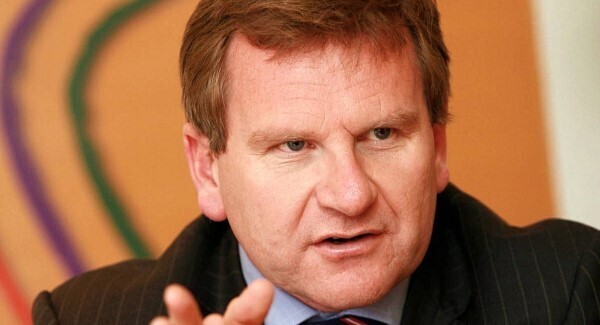
With the rate expected to move towards £0.85 by the time UK voters go to the polls on June 23, Irish exporters are beginning to feel the pinch, according to Ibec CEO Danny McCoy.
“A UK exit would send Ireland, Britain and Europe into uncharted and treacherous waters” said Mr McCoy.
“The value of sterling has already fallen significantly, a vote to leave would prompt a further significant depreciation, heaping pressure on businesses trading with the UK.
"This is in addition to the countless other risks that would arise during and after the period of a negotiated exit.
“The UK’s continued membership of the EU is of overwhelming strategic importance to Irish business.
"As the referendum approaches, it is increasingly important we have a stable domestic political backdrop to ensure Ireland is in a strong position to effectively manage every eventuality.”
Trade between Ireland and the UK would also be hit by Brexit, while firms would also have to contend with regulatory differences.
It could, however, spur foreign direct investment in Ireland, especially in the financial sector, as firms look for an EU base in the aftermath of a UK exit.
With the economic recovery still fragile and uneven — and given the increased uncertainty that has developed in recent months - a “relentless focus on competitiveness” is needed to ensure Irish business continues to strengthen.
In this context, Mr McCoy called for wage restraint, describing many new pay claims as “far beyond what is realistic and affordable”.
Ibec is also predicting employment growth of 2.1%, or 40,000 jobs, in 2016, buoyed partly by an increase in consumer spending of 4.1%.
CONNECT WITH US TODAY



Be the first to know the latest news and updates