Lack of new government risks recovery
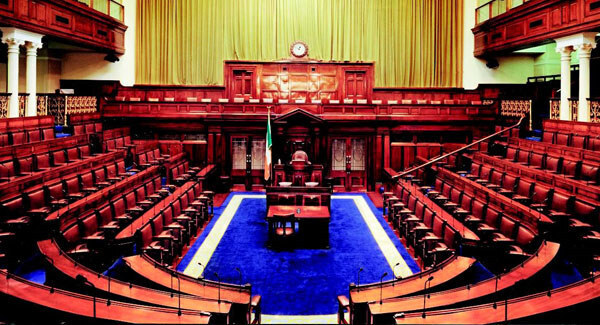
It does have an ‘acting’ government, with an ‘acting’ taoiseach and ‘acting’ ministers, but one would be foolish to believe that any major policy initiatives will be acted upon. Until a government is formed, we are in a policy vacuum.
Does this matter? Some policy choices made by Irish governments would suggest that the answer is ‘no’, as Ireland has faced economic ruin, partly on the back of policy blunders, on two occasions in the past 30 years.
In the 1980s, the reckless mismanagement of the public finances resulted in a dearth of investment and in economic stagnation. In the 2000s, the banking and property sectors were allowed to inflate to dangerous levels, making us vulnerable when the international financial crisis struck.
The country, though, currently faces pressing issues that need to be addressed. Some of these were discussed in a recent report by the European Commission, which was issued as part of the new surveillance of euro area countries after the crisis.
The report was issued on February 26 — election day here — and thus received little or no attention in the domestic media, not to mention among policymakers. These reports no longer set out targets that Ireland has to meet to receive funding.
Indeed, the EC is keen to say that the report is not a policy document. However, it sure reads like one to us, and contains important focus areas that should be addressed.
One of its ‘country-specific recommendations’ regards public infrastructure, on which seven lean years of spending are now taking their toll.
This can be seen in the shortage of housing, inadequate public transport, and the creaking water infrastructure. Housing shortages are leading to booming rents, homelessness, and urban sprawl. Inadequate public transport is contributing to traffic congestion.
This phenomenon can be seen in all the major cities in Ireland, but is most acute in Dublin, which is the ninth-most congested city in the world at peak times, according to an index compiled by the satnav operator, TomTom.
All of these are leading to knock-on problems that will hurt competitiveness and impinge on future Irish growth prospects, not to mention the social problems that they bring.
In light of the warnings about our creaking water infrastructure, it has been disappointing that some of the initial negotiations around the formation of a new government centred on the abolition of water charges. It is one thing to criticise the agency that was set up to implement the policy of water charges and the management of the water infrastructure, but it is another to row back on the policy, in its entirety.
Throwing the baby out with Irish Water puts at risk the much-needed investment in water infrastructure.
Other issues identified by the EC report include the need for a continued reduction in government debt levels and efforts to re-engage those who are in long-term unemployment.
A prolonged period of political uncertainty in Ireland could also reasonably have been seen as a major threat to Ireland’s international reputation, but, judging by the performance of Irish sovereign bonds over recent weeks, it is clear that the markets have taken the news in their stride.
The absence of any real market reaction to these events is not altogether a good thing.
As we witnessed during the fiscal crisis in the 2010-2013 period, market pressure, due to high interest rates, can bring about an urgency to take action to resolve problems.
We know that these actions were insufficient to prevent the country having to enter a bailout programme with the so-called troika of the EU, IMF and ECB, but it was these institutions, with their carrot of cheap money, that ensured that policies were implemented in a targeted and timely manner. As it stands now, we have neither the international bond markets, nor the troika, to pressurise us into implementing policies to “keep the recovery going”.

CONNECT WITH US TODAY



Be the first to know the latest news and updates