Sterling hit by Brexit fear, Bank of England warns
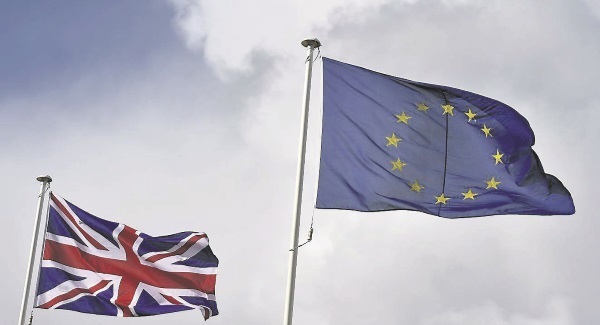
The central bank said the upcoming vote on June 23 could delay some spending decisions in Britain, though it said recent indicators suggested growth would keep the same momentum this quarter as it had at the end of last year.
The bank reiterated that interest rates were more likely to rise than not over the next two years and that when they did the rise would be gradual, given likely headwinds.
After a rapid recovery in recent years, British growth slowed in the second half of last year and recent surveys show it had a rocky start to 2016, when the country will hold a referendum on its membership of the EU.
“There appears to be increased uncertainty surrounding the forthcoming referendum,” policymakers said. “That uncertainty is likely to have been a significant driver of the decline in sterling. It may also delay some spending decisions and depress growth of aggregate demand in the near term.”
Bank of England governor Mark Carney, in a recent appearance before lawmakers, pointed to some benefits of Britain’s EU membership, but said the bank would not comment on the long-term implications of an exit.
Britain’s economy has slowed, along with the rest of the world, and some policymakers worry they may struggle to fend off the latest global downturn after pumping trillions into the global financial system in recent years and given that interest rates in major economies are already so low.
The Federal Reserve on Wednesday said the US continued to face risks from an uncertain global economy and appeared to sharply scale back its plans for interest rate rises this year.
The Bank of England said short-term interest market rates had fallen due to market worries about the world economy, and the perception that the lower bound for central banks’ interest rates could be lower than previously thought.
Sterling rose to hit a day’s high of $1.4401. It was flat on the day at 78.68 pence against the euro.
The Bank of England expects the economy to grow 2.2% this year and 2.3% next year, more optimistic than the UK government’s forecasts for 2% and 2.2% growth in 2016 and 2017. Financial markets had fully priced out the possibility of an interest rate hike this year.


CONNECT WITH US TODAY



Be the first to know the latest news and updates