China boosts hope for global stocks outlook
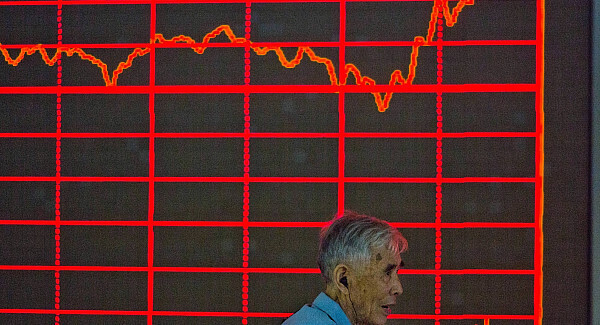
The US Standard & Poor’s 500 Index rebounded from its third consecutive monthly decline, while European equities headed for a fourth day of gains for the first time since October.
While February marked a fourth consecutive monthly slide for global stocks, signs that financial tension in China and a slump in commodities are abating has seen shares recover more than 5% since February 11.
Data suggesting American consumers can still power the world’s largest economy and hints from central banks in Asia and Europe more stimulus is at the ready underpinned the revival.
Bets the US Federal Reserve will hold off on additional interest-rate hikes also got a boost.
A rebound in oil prices in the final two weeks of February also helped stabilise equity markets.
“China and upcoming central banks meetings are in focus and investors believe there should be more supportive measures,” said Christoph Riniker, the Zurich-based head of strategy research at Julius Baer.
“There’s also some better prices in crude oil and more risk-on related factors driving equity markets upwards again at least on the shorter term,” he said.
Shares in the London Stock Exchange Group jumped 8.4% yesterday after Intercontinental Exchange confirmed it’s considering a counter bid for the company, which is planning to merge with Deutsche Boerse.
Swiss Life Holding rose 4.3% after its proposed dividend beat analyst estimates.
The MSCI Emerging Markets Index gained for a third day, climbing 1.4%.
The Hang Seng China Enterprises Index of mainland shares traded in Hong Kong increased 1.9%, and the Shanghai Composite Index advanced 1.7%, the most in a week.
Data from China showed a manufacturing purchasing managers index contracted more than estimated in February.
The nation’s parliament will gather on Saturday for an annual meeting, where plans for the next five years will be out lined.
China’s currency, the yuan, rose for the first time in eight days in Shanghai after the Chinese central bank raised its reference rate by 0.1%.
“With a stronger fixing, they’re trying to ensure a stable yuan even as they ease policy through the reserve-requirement-ratio channel,” said Khoon Goh, at Australia & New Zealand Banking Group.









