Jobless rate may fall at slower pace due to people on activation and training schemes
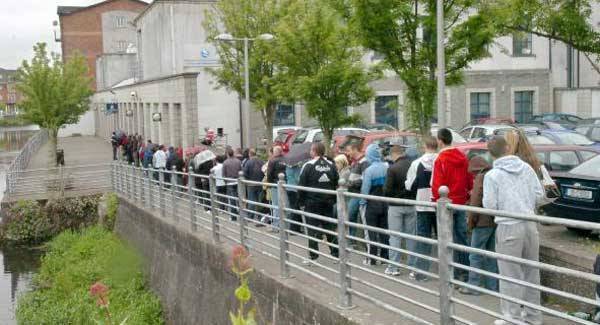
A total of 82,309 people on activation or training programmes at the end of last year may mean that a rapid fall in the unemployment rate may not be on the cards.

Jobless rate may fall at slower pace due to people on activation and training schemes

The numbers on the activation schemes are equivalent to more than the population of Galway City and do not count towards the Live Register and unemployment figures.

That means there is a huge pool of jobless people who will be seeking work over the coming years who are not currently counted towards the jobless total.

It may explain that while Ireland is predicted to create a lot of jobs in the next two years, that the unemployment rate will not fall as swiftly.

The economy took a long time to swing out of the eurozone crisis, but about two years ago, the number of new jobs finally began to accelerate.

Recovery was set in motion by the huge surge in exports helped by the slump in the value of the euro against sterling and the dollar.

The jobless rate here has fallen from a crisis peak of 15.1% it hit in February 2012.

In its new EU-wide forecasts published yesterday, the commission forecasts that the rate of employment growth here, although slowing, will remain fairly healthy this year and in 2017.

However, Brussels projects that in 2017, the unemployment rate will average 7.8% in 2017.

That suggests the commission believes that the rapid fall in jobless numbers here will be more muted from now on.

CSO figures published yesterday showed that the number on activation programmes rose to 82,309 in December from the 81,298 people availing of the schemes the previous month.

The numbers had fallen however by 6,055 from December 2014.

The numbers on the programmes are significantly up since the eve of the crash.

In December 2007, there were 52,399 people availing of the schemes.

That number increased rapidly as the crisis deepened, reaching 68,165 by December 2009.

At the end of last year, people on the activation schemes included 24,345 on back to education courses, 22,813 people involved in community employment schemes, and 12,277 on other back to work schemes.

The latest Live Register figures also show that people once employed in the occupations worst hit eight years ago by the banking and property crisis remain the most likely to be still facing unemployment.

Craft workers and plant and machinery operatives, as well as sales staff, are among the largest occupational groups on the Live Register.

Alan McQuaid, chief economist at Merrion Capital, said unemployment “is heading in the right direction” but will from now on, likely fall more gradually.

x

More in this section

The Business Hub

Newsletter

News and analysis on business, money and jobs from Munster and beyond by our expert team of business writers.

Cookie Policy Privacy Policy Brand Safety FAQ Help Contact Us Terms and Conditions

© Examiner Echo Group Limited