Brexit risk weighs heavy on UK services firms
The drop in sentiment was reported by Markit Economics in its monthly sector survey.
The headline activity index fell to 55.5 from 55.9 in November, a bigger drop than economists had predicted.
A gauge of firms’ expectations for activity over the forthcoming 12 months was the weakest since February 2013.
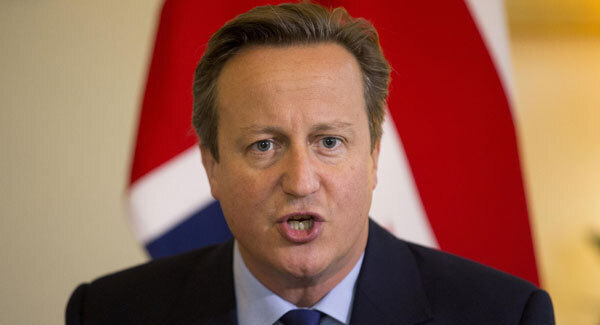
Prime minister David Cameron’s plans for a referendum on EU membership by the end of next year is looming over the outlook for the UK.
JPMorgan Chase also warned yesterday financial-services firms from banks to insurers could pull jobs out of the UK should Britain leave the bloc.
The services survey will be closely watched by Bank of England officials, who announce their next policy decision on January 14 and will probably leave the key rate at a record-low 0.5%.
It suggests the UK domestic economy, which has been the bulwark of growth, may have its own troubles as firms prepare for an increase in the minimum wage, continued fiscal austerity and the EU vote.
“Firms are becoming more cautious in the face of growing uncertainties,” said Chris Williamson, chief economist at Markit.
“The cost impact of the living wage, government spending cuts, a potential hike in interest rates, global economic growth jitters and of course Brexit are all weighing on business minds.”
A measure of employment slowed to a five-month low and Markit said its surveys indicate the economy grew 0.5% in the final quarter of the year, down from the 0.6% it estimated last month.
Still, the December services reading remains above the long-run trend — indicating solid overall growth.
The EU referendum, which Cameron has hinted could be held this year, is also muddying the outlook for policy.
Exit risks as well as lower oil prices and weaker-than-anticipated wage growth prompted ING Bank to say yesterday it now expects Bank of England policy makers to refrain from increasing their key interest rate until the end of the year.
It previously predicted a move in the second quarter.
“Uncertainty surrounding the EU referendum is building, with a vote looking increasingly likely to occur this year rather than next,” James Smith, an economist at ING, said.
“The Bank of England has some room to keep policy loose until the Brexit uncertainty passes.”