Sheep and goat-herd owners complete census records
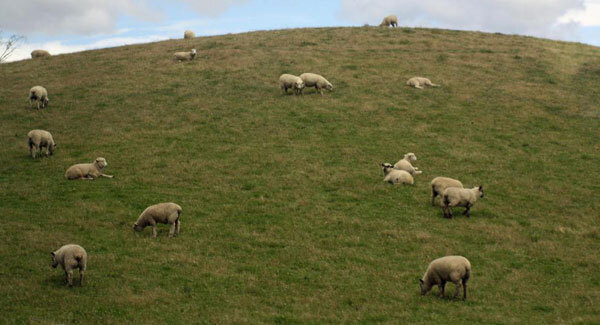
They are also required to return the completed forms to the Department of Agriculture, Food and the Marine by January 29.
The census is the record retained by the department as to the number of sheep on each holding on a particular date.
More importantly, for flock owners, it is central in declaring that required stocking rates have been maintained and also facilitates the drawing down of payments under various schemes.
The information is also used during farm/flock inspections.
It forms the basis for establishing if the animal records have been adequately maintained.
Meanwhile, the IFA has called for extra direct supports for the sheep sector.
IFA sheep committee chairman John Lynskey said it had put forward a strong case on the issue at the first meeting of the European Commission sheep reflection group in Brussels, which is chaired by John Bryan, the former IFA leader.
Mr Lynskey said this new group presents an excellent opportunity to drive forward the sheep agenda at European level and address some of the real challenges facing the sector.
He said there was a recognition that the sheep sector was facing major challenges and action was required on a range of issues.
The need for increased direct targeted support for the sector, more promotional funding and the positive role sheep play in environmental sustainability in hill and mountain areas were among the key issues to emerge from the meeting.
Another issue was the use and adoption of technology to improve and advance breeding.
Mr Lynskey said the sheep sector, with an output value of €300m and production of 58,000 tonnes of lamb, is very important.
A study by UCD showed that each €1 in support for the sheep sector underpins €2.70 of aggregate output in the economy.
He said all delegations at the meeting strongly supported the need to apply the simplification agenda to the sheep sector.
This applied particularly to the need to reduce red tape and bureaucracy with a focus on the over-complex identification regime.

CONNECT WITH US TODAY



Be the first to know the latest news and updates