US jobs rise paves way for Federal Reserve interest rate hike
US job growth increased solidly in November in a show of the economy’s resilience, which most likely paves the way for the Federal Reserve to raise interest rates this month for the first time in nearly a decade.
US jobs rise paves way for Federal Reserve interest rate hike

Non-farm payrolls increased 211,000 last month, according to the labour department, while September and October data was revised to show 35,000 more jobs than previously reported.

The unemployment rate held at a seven-and-a-half-year low of 5%, even as people returned to the labour force in a sign of confidence in the jobs market.

The jobless rate is in a range many Fed officials see as consistent with full employment and has dropped 0.7 percentage points this year.

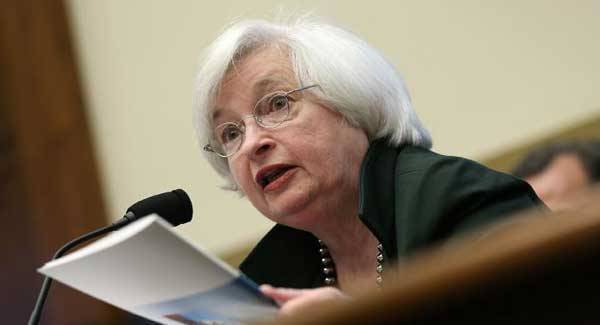
The report came a day after Fed chairwoman Janet Yellen struck an upbeat note on the economy when she testified before Congress, describing how it had largely met the criteria the US central bank has set for the Fed’s first rate hike since June 2006.

Yellen said the economy needs to create just under 100,000 jobs a month to keep up with growth in the working age population.

The Fed’s policy-setting committee will meet on December 15 and 16.

The second month of strong job gains should allay fears the economy has hit a soft patch, after reports showing tepid consumer spending in October and a slowdown in services industry growth in November.

Manufacturing contracted in November for the first time in three years.

Though wage growth slowed last month, economists say that was mostly payback for October’s outsized gains, which were driven by a calendar quirk.

Other labour market measures that Fed officials are eying as they consider lifting the benchmark overnight interest rate from near zero were mixed.

The labour force participation rate, or the share of working-age Americans who are employed or at least looking for a job, rose to 62.5% from a near 38-year low of 62.4%.

Employment gains in November were broad-based, though manufacturing shed 1,000 positions and mining lost 11,000 jobs.

Manufacturing has been crippled by a strong dollar, efforts by businesses to reduce bloated inventory, and spending cuts by energy companies scaling back well drilling and exploration in response to sharply lower oil prices.

Mining employment has declined by 123,000 since reaching a peak in December 2014.

Oilfield services provider Schlumberger this week announced another round of job cuts in addition to 20,000 layoffs already this year.

Construction payrolls increased 46,000 last month.

With 163,000 jobs added last month, the services sector accounted for the bulk of the increase in employment.

Retail jobs rose 30,700 and transportation and warehousing employment rebounded after two straight months of declines.

More in this section

The Business Hub

Newsletter

News and analysis on business, money and jobs from Munster and beyond by our expert team of business writers.

Cookie Policy Privacy Policy Brand Safety FAQ Help Contact Us Terms and Conditions

© Examiner Echo Group Limited






