Sensible investment policies a good alternative to climate change hysteria
In France, a high-profile TV weatherman was let go after he published a book daring to question those who loudly argue that the end of the world is nigh due to human beings effectively destroying the planet.
Seperately, no less an institution than Nasa set out data showing that Antarctica is adding more ice than is disappearing.

I don’t know too many weather forecasters who could be judged as nutjobs and I don’t think Nasa is in the business of telling lies just for the sake of it.
Both items triggered a wave of reaction from the movement that has been created upon the supposition that unless billions are spent stopping it, climate change will finish us all.
We now live in a world where dramatic media headlines latch on to big ideas that can attract eyeballs.
Many moons ago, it was UFOs that gobbled up huge acres of newspaper space until it was shown that most UFO “activity” was concentrated in the US.
It coincided with secret aircraft development programmes that were cloaked by CIA-inspired media stories pointing to aliens as the source of light and noise in the sky.
For sure, climate change is a real and ever-evolving element in our lives. It used to be called global warming in the 1970s until the hard data to underpin that contention evaporated.
Now, it is a series of weather events that, when captured on 24/7 live TV, creates a narrative about something horrible happening in nature.
You have to wonder how all-day TV news would have reported on Ireland as recently as 1740.
There were 21 months of bizarre weather around that year caused, they think, by a volcanic eruption. It apparently killed a third of the population.
Can you just envisage who would be blamed on 24/7 TV for that if it happened now? A more contemporary example was in 1947, when in Ireland froze solid for nine weeks. Or how about 1963, when the Shannon iced over?
My point is that the agenda which focusses on the conviction that we humans are responsible for the earth’s behaviour is dangerously arrogant.
Next to solar flares, for example, humanity is a small and inconsequential iota. The idea that something even bigger could have a role in all our lives is now in the laugh-out-loud box of mass media.
Instead, we genuflect at the altar of all things material and limply accept the notion that the world is dying beneath our feet.
That thought struck me while watching a young heifer in the field behind our house last weekend. She eats grass on land that has remained for hundreds of years a fertile grass growing resource, despite multiple weather challenges.
She apparently contributes to the greenhouse gas emission agenda, yet the swallows that flew over her all summer and went back to Africa last month with a new brood are unperturbed.
You may well be scratching your head as to what all this is doing in a business column.
There are billions of euros tied up in industries, subsidies and regulations that have surfaced under the banner of climate change.
I have no problem with solutions and innovations in construction, food production or manufacturing that help efficiency, cut down pollution or lower costs because they are inputs that help grow economies and improve the financial well-being of more people in a world with too much poverty.
Those who like a balanced argument should read Monsieur Philippe Verdier’s book or download the Nasa report that argues about a net 100bn tons of ice are being added to Antartica, each year.
Of course climate change is a real and present factor in all our lives.
To deal with it, governments and companies must adopt sensible policies and make investment decisions that help shape society in a way that works best for citizens and investors.
What we have to avoid is the sensationalism that has now become commonplace when talking about events that form part of everyday life.
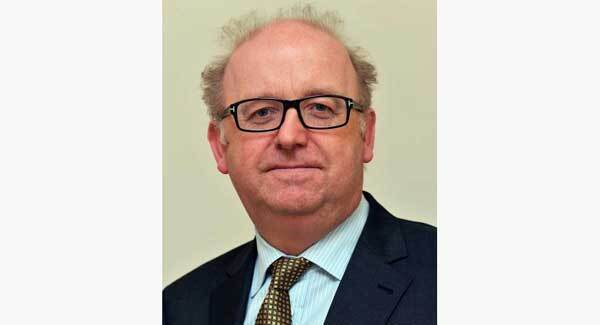
Joe Gill is director of corporate broking with Goodbody Stockbrokers. His views are personal.