Euro drops as ECB prepares for key decision
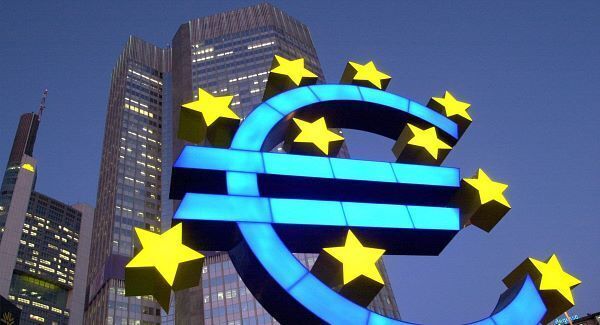
The single currency weakened against 10 of 16 major peers even after ECB Governing Council member Ewald Nowotny signalled officials, who next decide on policy on Thursday, will not expand quantitative easing any time soon.
The Bloomberg dollar index rose for a third day after a report showing China’s economy expanded quicker than forecast strengthened the case for the Federal Reserve to raise interest rates in 2015.
“There are still expectations certainly building for some more easing — that is part of what is weighing on the euro,” said Christin Tuxen, a senior analyst at Danske Bank in Copenhagen.
Tuxen expects the common currency to rise to $1.20 in the next 12 months in part because the European economy benefits from ECB stimulus.
In late trade, the euro fell to $1.13 against the dollar and to just over 73p against sterling.
ECB officials are likely to say by year-end that they have no choice but to add stimulus, and may even reach that conclusion by Thursday, according to economists in a Bloomberg survey.
A report last week showed the eurozone’s inflation rate turned negative in September for the first time in six months, increasing pressure on the central bank to add to its €1.1tn asset-purchase plan.
Markets are “probably waiting to see what the tone of Draghi’s statement and press briefing is on Thursday, whether he actively encourages talk of additional easing to try and encourage a slightly cheaper euro”, said Jeremy Stretch, head of foreign-exchange strategy at Canadian Imperial Bank of Commerce in London.
When Fed officials opted, in September, to leave their benchmark interest rate near zero, where it’s been since 2008, they cited risks to US growth and inflation from China’s economic slowdown.
China’s GDP rose 6.9 % in the three months to September from a year earlier, according to the National Bureau of Statistics.
That beat analysts’ estimates for 6.8%. A Reuters poll yesterday suggested the ECB will not modify its asset-buying programme at its meeting this week, according to all but one of 20 euro money market traders surveyed.
The ECB had hoped the quantitative easing programme it started in March would drive up inflation in the eurozone. However, it has remained subdued, slipping to -0.1% in September.
This has led to speculation that the ECB would modify the programme, either by extending it past its current projected end date of September 2016 or by increasing the amount of monthly purchases from the current €60bn.
While only one trader polled said the bank would make a decision at its policy meeting on Thursday, 15 expected it to do so at a later point, probably in the first half of next year.
“They’ll still give it some time,” said one trader, adding that the bank would expand its programme. “Definitely not this week, but maybe in December or early next year.”
Futures traders see a 30% chance of an increase by December, according to Bloomberg data, assuming the effective fed funds rate will average 0.375% after the first boost. The probability is down from 43% at the start of the month.


CONNECT WITH US TODAY



Be the first to know the latest news and updates