UK budget deficit widens unexpectedly
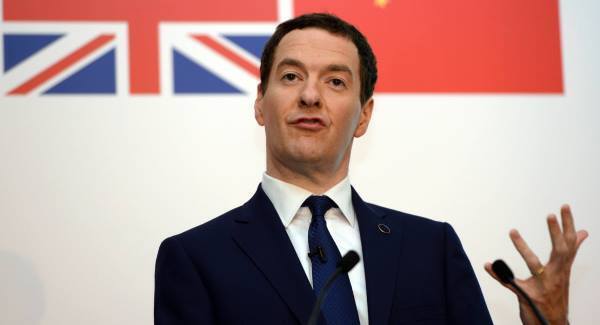
Chancellor George Osborne will now have a tougher job meeting his target of reducing borrowing this year.
His goal of a budget surplus in less than five years also looks increasingly hard, some economists said.
“While the volatility of public sector finances makes it difficult to read too much into one month’s data, the increase in borrowing in August is concerning given the grim backdrop of global economic developments in recent weeks,” said Sam Alderson, an economist at consultants Cebr.
Britain’s headline measure of public borrowing rose to £12.1bn (€16.67bn) in August from £10.7bn a year earlier, the Office for National Statistics (ONS) said.
Forecasts were it would narrow to £9bn. Since the financial year began in April, the government has borrowed 10% less than it did in the same period last year.
But that is not enough for Osborne to be sure of meeting deficit-reduction goals he set in July, after his Conservative Party won an election.
His target is to cut the deficit to 3.7% of economic output, down from 5% in the last financial year.
“If the public finances were to remain on this course the deficit would fall to £79bn this year, below 2014/15’s outturn but missing official forecasts of £70bn at July’s Budget,” Investec economist Philip Shaw said.
The ONS said August’s rise in borrowing was mostly caused by a change in the pattern of income tax revenue this year. Bumper receipts in July, when many income tax payments are due, did not spill over into August as they usually do.
Government spending also rose more than normal.
Osborne is due to publish updated budget forecasts on November 25, alongside details of how government departments will cut spending by around £20bn over the next four years.
The plans will be opposed by the Labour Party’s new leader, Jeremy Corbyn, who has called for more public investment and said the budget need not be balanced so quickly.
Cebr’s Alderson said it would become increasingly hard for Osborne to cut spending, as five years of cuts had left little fat remaining on public services.
Osborne’s challenge could get harder if Britain’s economy is hit by problems in the world economy. There are signs that a slowdown in the Chinese economy and a strengthening of sterling are hurting exports.
The Confederation of British Industry reported a slowdown in factory orders and said overseas demand was dropping at the fastest rate in nearly two years, pushing sterling slightly lower against the dollar.

CONNECT WITH US TODAY



Be the first to know the latest news and updates