Rents and car insurance costs continue to surge in August
Prices remained unchanged last month when compared with the same period in 2014 despite rising by 0.4% in the month.
New Consumer Price Index (CPI) figures from the CSO suggest the period of falling prices appears to have come to an end although inflationary pressures remain modest.
Education costs (+5%) saw the biggest increases in the month as children prepared to return to school while communications (+2.5%) and restaurants and hotels (1.9%) also became more expensive in August.
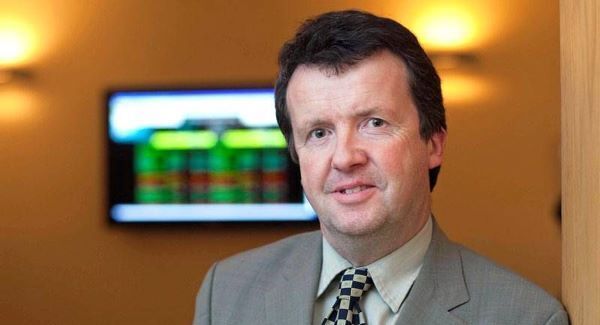
Lower home heating costs as well as slight declines in mortgage interest repayments helped offset some of the other increases, Merrion Stockbrokers chief economist, Alan McQuaid said.
He added that while price growth was likely to remain relatively flat in the coming months, a recovery in oil prices and eventual, if marginal, wage increases could create upward pressure.
“Despite the booming Irish economy, inflationary pressures are in our view likely to remain fairly well contained in the immediate future.
"That said, we do expect some pick-up in the latter part of 2015 due to base effects related to oil prices, which fell sharply in the second half of 2014. A gradual rise in wages should also lead to increased personal spending and higher consumer prices.
“With [global] prices falling into negative territory, the danger was that deflation became entrenched, though we don’t see this as an issue here in Ireland.
"Indeed, negative or low inflation should be seen as a positive for Irish consumers in our view. Low inflation in Euroland will mean easier ECB monetary policy being in place for longer, which should be good news for consumers, though whether it feeds through into lower variable mortgage rates here remains debatable,” Mr McQuaid said.
The Irish Small and Medium Enterprises Association (Isme) said the consumer price index figures disguised lost competitiveness, however.
“There is a danger that Government have sat back with the false assumption that competitiveness has been regained during the recession and therefore not a priority. However at the SME level in particular, much of that competitiveness is being eroded.
“Ireland still remains a high cost location and the wage increase expectation, fueled by Government ministers, increases that pressure,” Isme chief executive, Mark Fielding said.
CONNECT WITH US TODAY



Be the first to know the latest news and updates