Greece hoping for deal in May
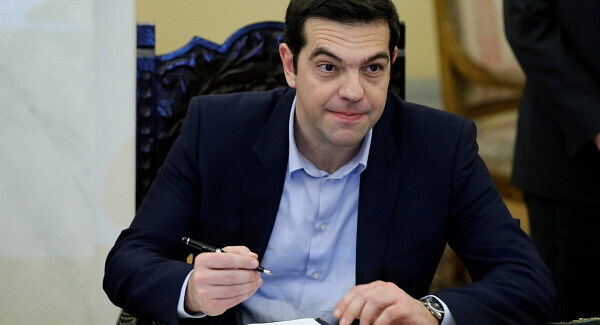
Tsipras also said he would have to resort to a referendum if lenders insisted on demands deemed unacceptable by his leftist government, elected to scrap austerity.
Athens is weeks away from running out of cash, and talks with EU and IMF lenders on more aid have been deadlocked over their demands for Greece to implement reform measures, including pension cuts and labour market liberalisation.
In his first major television interview since being elected in January, Tsipras said he expected a deal with creditors by May 9, three days before a debt payment to the IMF of about €750m falls due.
He ruled out a default but stressed the priority was to pay wages and pensions.
Greek financial markets and the euro rallied on Monday on hopes that the relegation of finance minister Yanis Varoufakis, a Marxist academic prone to lecturing his eurozone peers, would improve prospects for an early deal to avoid a default that might lead to a Greek exit from the currency area.
Yet, around half of investors expect Greece to leave the eurozone in the next year, a survey published by German research group Sentix showed yesterday, highlighting market scepticism about politicians’ pledges.
The European Commission said talks on a cash-for-reform deal were making progress but gave no details of the substance.
Pressed on the options if no deal were found, Tsipras ruled out snap elections. However, he said the government did not have the right to accept demands “outside our mandate”, and a deal that required such terms would have to be put to Greeks in a referendum.
“But I am certain we will not reach that point. Despite the difficulties, the possibilities to win in the negotiations are large. We should not give in to panic moves. Whoever gets scared in this game loses,” he said.
Tsipras said Greece was in the final stretch of negotiations despite differences on key issues like labour reform, pension cuts and a proposed value-added tax hike on tourist islands.
He said asset sales would be part of the concessions offered, including two major items — the sale of Piraeus port and the leasing of 14 regional airports.
CONNECT WITH US TODAY



Be the first to know the latest news and updates