Noonan criticises ECB’s plan on operation of QE
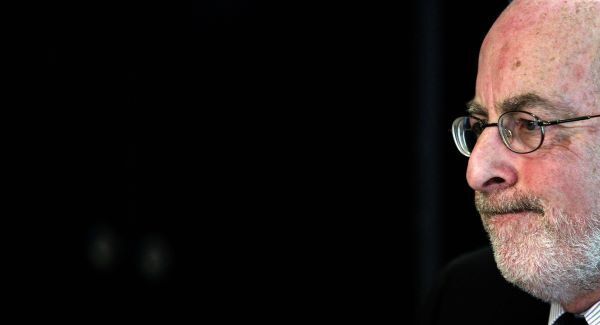
“There will be no mutualisation of risk and it will be a reversal of policy from banking union,” said Mr Noonan at a conference in Dublin Castle organised by the IMF.
Over the past week, leaked reports suggest that, in order to overcome German concerns about quantitative easing, the ECB has devised a scheme that would make it the responsibility of each eurozone central bank to buy up its own sovereign debt. Mr Noonan said that this was effectively the “renationalisation” of the banking sector, even though the purpose of banking union was to mutualise risks across the region.
The conference, called ‘Ireland — lessons from its recovery from the sovereign bank loop’, looked at how this country performed during the bailout programme and what lessons could be applied to similar programmes in the future.
At the same conference, ECB board member Benoit Coeure said no decision had been made about quantitative easing and how it might be operated. ECB executives listened to a wide range of political opinions and advice, but he reminded Mr Noonan that it was an independent institution. The ECB is expected to announce details of quantitative easing at its monthly meeting this Thursday.
Mr Noonan said it was “disappointing” that the Government was not allowed to ‘bail in’ any senior bondholders when dealing with the collapse of the banking system. However, the Government “had lost the battle but won the war” because it was now official policy to bail in senior bondholders and other investors in a bank collapse, he said.
Mr Coeure said the policy at the outset of the crisis was to “support investors” in order to preserve the stability of the financial system, including Ireland.
IMF managing director Christine Lagarde said it would be financially more beneficial for the Irish taxpayer if the Government sold the banks back onto the private markets rather than seeking a recapitalisation from EU institutions.
Valdis Dombrovskis, vice president of the European Commission, also speaking at the conference, said one of the main lessons from the crisis was that it was important to frontload fiscal adjustment. Countries such as Ireland that took the burden of adjustment in the first few years of the programme recovered much quicker than countries that delayed implementing cutbacks.
Ireland will reach pre-crisis levels of economic output this year whereas the EU average will not reach pre-crisis levels until 2016, said Mr Dombrovskis. Moreover, a protracted level of price adjustment was causing massive deflationary pressures in the region, he added.
CONNECT WITH US TODAY



Be the first to know the latest news and updates