Markets regain lost footing but outlook poor
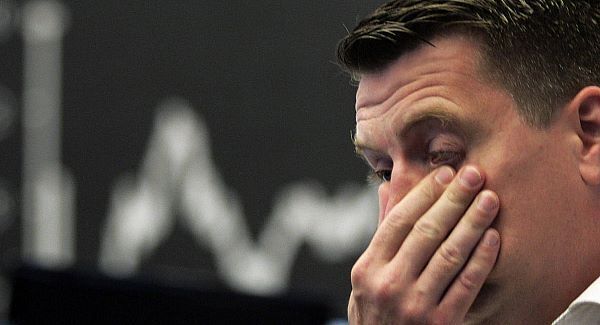
Stockmarkets have tumbled and bond yields for periphery eurozone countries have risen as the newsflow over the past week points to continued weakness globally.
Lorcan Roche Kelly, head of Agenda Research, said there was no single factor that triggered the mass selloff, rather it was a series of smaller factors that derailed the strong market run over the past few months.
Yields on Greek sovereign bonds have risen as the Government signalled that it would look to exit its bailout programme next year.
Borrowing costs for other periphery countries such as Spain, Portugal, and Italy increased on the back of developments in Greece. In addition, the IMF downgraded world growth last week. It warned the eurozone faced an era of secular stagnation if it did not take bold measures to stoke growth across the region.
Germany was urged to increase investment in infrastructure to act as a fiscal stimulus following the release of a dismal set of figures which showed the country was teetering on the brink of a recession. However, Chancellor Angela Merkel has resisted calls to open the purse strings. Berlin remains committed to fiscal rectitude and economic reforms, she said.
New data indicating strength in the US economy helped major US European and pan-world stock indices pare losses yesterday evening. Data showing that the number of Americans filing new claims for jobless benefits fell to a 14-year low last week and industrial output rose sharply in September also helped the dollar recover. But the data was not enough to reverse the tide of bearish sentiment.
“When you get in a mode like we are in now, where the market is clearly bearish, investors are somewhat fearful, they tend to focus more on the negatives than the positives, which is why they are ignoring this jobless claims number,” said Randy Frederick, managing director of trading and derivatives for Charles Schwab in Austin, Texas.
Early reports for third- quarter US corporate results were beating expectations, but earnings are backward looking and the market is always forward looking, Frederick said.
* Additional reporting Reuters


CONNECT WITH US TODAY



Be the first to know the latest news and updates