Creating jobs ‘the priority for India’
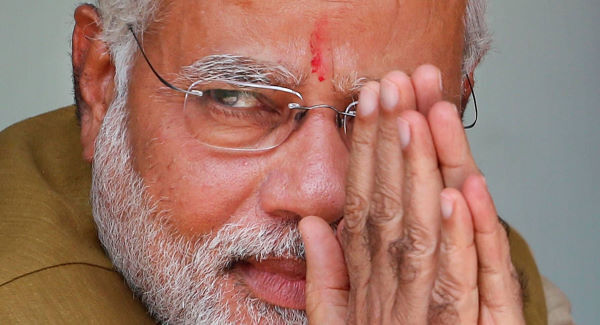
Outlining Prime Minister Narendra Modi’s economic plan following his landslide election victory last month, President Pranab Mukherjee said the government would introduce a general sales tax, encourage foreign investment and speed up approvals for major business projects. It would also tackle bottlenecks that have caused food prices to rise.
Although Asia’s third-largest economy is in its longest slump for a quarter-century, consumer inflation has been stuck at an average of nearly 10% for the past two years and was one of the main issues that brought Mr Modi to the helm of the world’s largest democracy.
Ten million people enter the workforce every year as the largest youth bulge the world has ever seen reaches working age. The demographic shift may help propel India into the league of developed nations, but risks causing economic and social disaster if it is not harnessed effectively.
Central bank governor Raghuram Rajan has made lowering India’s high interest rates contingent on containing consumer prices. However, dampening prices will not be easy.
Shortages of warehousing, a dependence on monsoon rains, and a complex network of middlemen that leads to price gouging and irregular supplies of vegetables in mainly vegetarian India is blamed for much of the volatility.
Some of the new government’s proposals to fix the problems are not new, but hopes now rest on Mr Modi’s reputation for delivering on his promises.
“We are committed to breaking this vicious cycle of high inflation and high interest rates,” Finance Minister Arun Jaitley said.
When he delivers the budget in early July, he will try to balance reducing inflation with the need to revive economic growth from its second year below 5%.
In a speech on Sunday, Mr Jaitley warned against “temporary populism” that could create problems in a few years’ time, while yesterday he said economic growth could not be compromised “at any cost” and called on state governments to be fiscally responsible. The economy grew 4.7% in 2013/14, about half its pre-crisis rate.
The government will urgently pursue reforms to the state-run coal sector and the defence industry to attract private investment, the president said, while speeding up project clearances to promote labour intensive manufacturing industries.
The government also promised to ensure that every family had a good home with uninterrupted power supplies by 2022.

CONNECT WITH US TODAY



Be the first to know the latest news and updates