CEOs concerned at lurch to right in Euro elections
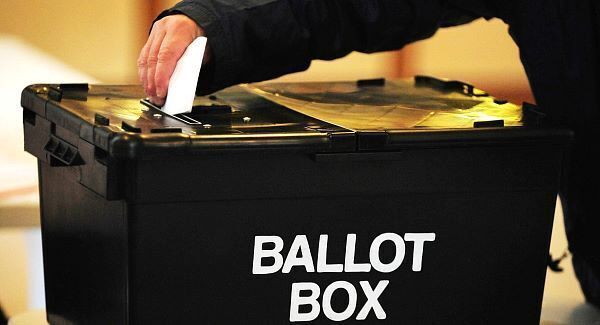
High unemployment, austerity fatigue and still anaemic growth offer the perfect backdrop for fringe parties to prosper at the election.
Some pundits predict a group of anti-euro parties including the National Front in France, Britain’s UKIP, Syriza in Greece and the Dutch Freedom Party, could capture 20% or more of the seats.
That could pressure the EU’s main party groups to tack right and challenge Europe’s ability to integrate further, given new powers the parliament will have to rule on the majority of EU legislation.
For CEOs at the annual gathering in Davos, the election looms as a big risk for Europe’s economic outlook even if a eurozone break-up has been averted.
“True tail risk has disappeared. However, there is a risk that there may be some risk coming back this year,” Axel Weber, UBS chairman and former Bundesbank president, told a session at the forum on Wednesday entitled, “Is Europe back?”
Mr Weber cited potential gains by eurosceptics in the elections as a risk, which he said could complicate the political process in the EU. “Just think of how the Tea Party has made governance difficult in the US.”
Recent polls show France’s anti-immigrant National Front has gained support since the 2012 presidential election in which party leader Marine Le Pen came third with 17.9% of the vote.
Pierre Nanterme, French CEO of Accenture, said he was concerned about high unemployment fuelling a “rise of the extremes”.
“I’m extremely concerned at the result of the European election. We need to be extremely careful because if we are not creating a more inclusive environment, people are going to ask what is the purpose of Europe.”
Eurozone unemployment remained stuck at a record high in November, with 12.1% of the labour force out of work for the eighth month in a row.
In Greece, the jobless rate is running at 28%. In Spain, it is at 26%.
However, Finland’s Europe minister said a surge in support for anti-European populist parties in the election has been exaggerated and will not prevent a “moderate majority” from moving forward with EU integration.
Alexander Stubb said he expected eurosceptical far-right and hard left groups would win 10% to 20% of seats in the European Parliament, compared with 12% at present.
For Christophe de Margerie, chief executive of French oil major Total, Europe needs to change the way it perceives of itself regardless of the outcome of the election.
“Today we are just trying to fight against those who are making sometimes the same product at a cheaper cost. We cannot compete like this. We have to upgrade the skills of our engineers, workers, at all levels and force them to bring new products to the market.”
- Reuters
CONNECT WITH US TODAY



Be the first to know the latest news and updates