Conversion of agri-food waste could save €50m in transport fuel bills
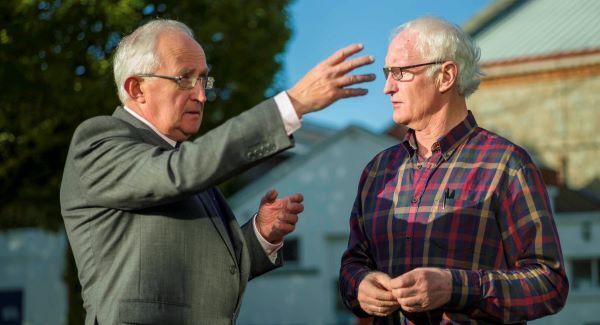
The Irish Bioenergy Association (IrBEA) has claimed the conversion of such waste could result in the establishment of a large domestic biofuel industry in a short period of time which could contribute €245m annually to the economy.
A conference held by the Irish BioEnergy Association in Dublin yesterday heard that Ireland currently imports around €2.8bn of petrol and diesel per annum.
Although Ireland is committed to a binding obligation requiring 10%of all transport fuel to come from renewable sources by 2020, IrBEA claims the target can only be met by importing renewable biofuels under existing conditions.
IrBEA spokesperson Stephen Hynes said the use of biomethane, which can be derived as a second generation biofuel from municipal and agri-food waste, offers the most viable means for Ireland to meet its obligatory target.
The association estimates that Ireland has the capacity to convert such waste into 300m cubic metres of biomethane annually — the equivalent of 300m litres of petrol or diesel.
Biomethane is normally blended with fossil-based natural gas for use as a vehicle fuel called “compressed natural gas” or CNG which produces approximately 25% less CO2 emissions than diesel.
IrBEA said a trend towards a use of domestically-produced biofuel presented a great opportunity as Ireland also has a legal obligation to reduce the levels of biodegradable waste going to landfill sites by 2016 which is in danger of not being met.
“Digestion of municipal waste resources offers a means for Ireland to comply with its waste management targets, avoiding penalties and offering a significant added revenue stream to a waste industry that is suffering economically,” said Mr Hynes.
IrBEA estimates the development of such an industry could create more than 3,000 long-term jobs as well as 2,400 during its construction phase.
However, Mr Hynes said the current regulatory and market conditions do not cater for the production and use of CNG as a transport fuel, despite the interest of Bord Gáis Networks in aiding the development of such an industry.
He expressed concern at the “lack of engagement” by several government departments on the issue.
One of the main stumbling blocks for the development of a biomethane industry to date is that excise taxes on gaseous fuels are not provided for in the Irish tax system.
Mr Hynes said confirmation of an excise duty derogation would be required to underpin the viability of biomethane as a transport fuel.
IrBEA president, Fred Tottenham said it was a proven technology which would provide an exciting alternative for the operators of large transport fleets.
CONNECT WITH US TODAY



Be the first to know the latest news and updates










