Kenny plays down Rabbitte Anglo claim
Mr Kenny struck a much more cautious tone when questioned on the Communications and Energy Minister’s remarks, stating: “The next payment is due in March next year. Our focus is on having a deal done before then — on re-engineering and restructuring before then so it won’t have to be paid.
“I didn’t see the programme. I assume he is referring to the politics of this, and this is where our focus has been — with the Department of Finance, the ECB, and officials at European level — to have a decision on restructuring and reengineering the promissory notes before March”
On RTÉ’s The Week in Politics, Mr Rabbitte said that the Government would not make the next €3.1bn promissory note payment, scheduled for March.
A Government source said that Mr Rabbitte had gone too far in the firmness of his statement. Fianna Fáil called for the Government to “get its act together” on such an important issue. The ECB declined to comment on Mr Rabbitte’s comments.
However, the Government will get a deal on the promissory note repayments because the current situation does not suit the ECB, according to Donal O’Mahony, global strategist with Davy Stockbrokers.
Mr O’Mahony said Mr Rabbitte should have been less emphatic and pre-emptive, but his comments chime with what the secretary general of the Department of Finance, John Moran, has said over recent weeks — albeit in a more subtle fashion — that the Government would not be making the next promissory note repayment.
The previous Fianna Fáil-led government issued over €30bn in promissory notes in Mar 2010. Under the programme, the Government is scheduled to make a €3.1bn repayment every March until 2030, as the full bill comes to €47bn including interest.
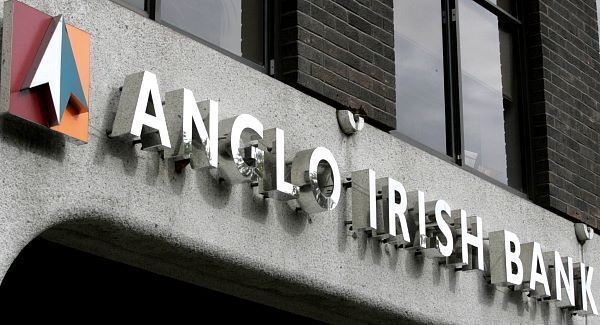
Under a complex circular payment structure, the Government pays the IBRC, which is responsible for running down the operations of Anglo, €3.1bn every March, which is then paid to the Central Bank to pay down its obligation under the Emergency Liquidity Assistance programme.
Mr O’Mahony said the ECB wants to close down the ELA programme as quickly as possible and, because of this intention, will do a deal to restructure the promissory notes, most likely into a longer-dated sovereign bond. However, no deal can breach the ECB’s mandate of no monetary financing, said Mr O’Mahony.
Roughly 22% of Government revenues will be used to service the national debt, which is less than was the case in the 1980s. Moreover, if the credit ratings agency Moody’s rerated Ireland to investment grade, the investor base could substantially broaden, said Mr O’Mahony.

CONNECT WITH US TODAY



Be the first to know the latest news and updates