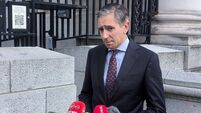
10% fall in house prices is ‘necessary’
Mr Hurley in a speech to the Institute of Internal Auditors in Trim said the gap between the price of residential property and the fundamentals supporting it was beginning to close.
“Affordability has begun to improve again due to lower house prices and changes to stamp duty and mortgage interest relief,” he said.
Previously, the Central Bank expressed its concerns about the persistently high rate of capital appreciation in the sector.
“Residential prices are about 9% lower than this time last year, although there are tentative indications that the pace of decline in prices has eased somewhat.
“These developments should be seen as part of a necessary adjustment following many years of exceptional house price inflation. For instance, prices rose by about 12% in 2006 alone and by more than 50% between 2002 and 2006,” said Mr Hurley.
Mr Hurley noted the underlying demand for housing continues to remain strong, citing as evidence the fact rents are continuing to grow, about 9% per annum, while noting there is recent evidence of some softening in rental growth.
He revealed the Central Bank has been concerned for some time about the level of private-sector indebtedness.
“Recently... the rate of credit growth has slowed and the rate of accumulation of private-sector indebtedness has moderated accordingly,” he said.
He said people were not borrowing against their homes to fund day-to-day spending, unlike other countries.
“On balance, our current assessment is that while the outlook for financial stability in Ireland and globally has deteriorated in recent months, domestic financial institutions remain sound and capable of absorbing shocks,” he said.
Mr Hurley said over the longer term, the key to restoringcompetitiveness is containing domestic inflationary pressures, including the evolution of pay, and to improve productivity growth.
“A number of policy measures are relevant in this regard including boosting competition, reducing the regulatory burden on business, investing in infrastructure, improving educational standards, encouraging R&D and innovation, maintaining macro economic stability and increasing flexibility.”


CONNECT WITH US TODAY



Be the first to know the latest news and updates