John Whelan: Aviation leasing companies reap rewards from Iran conflict
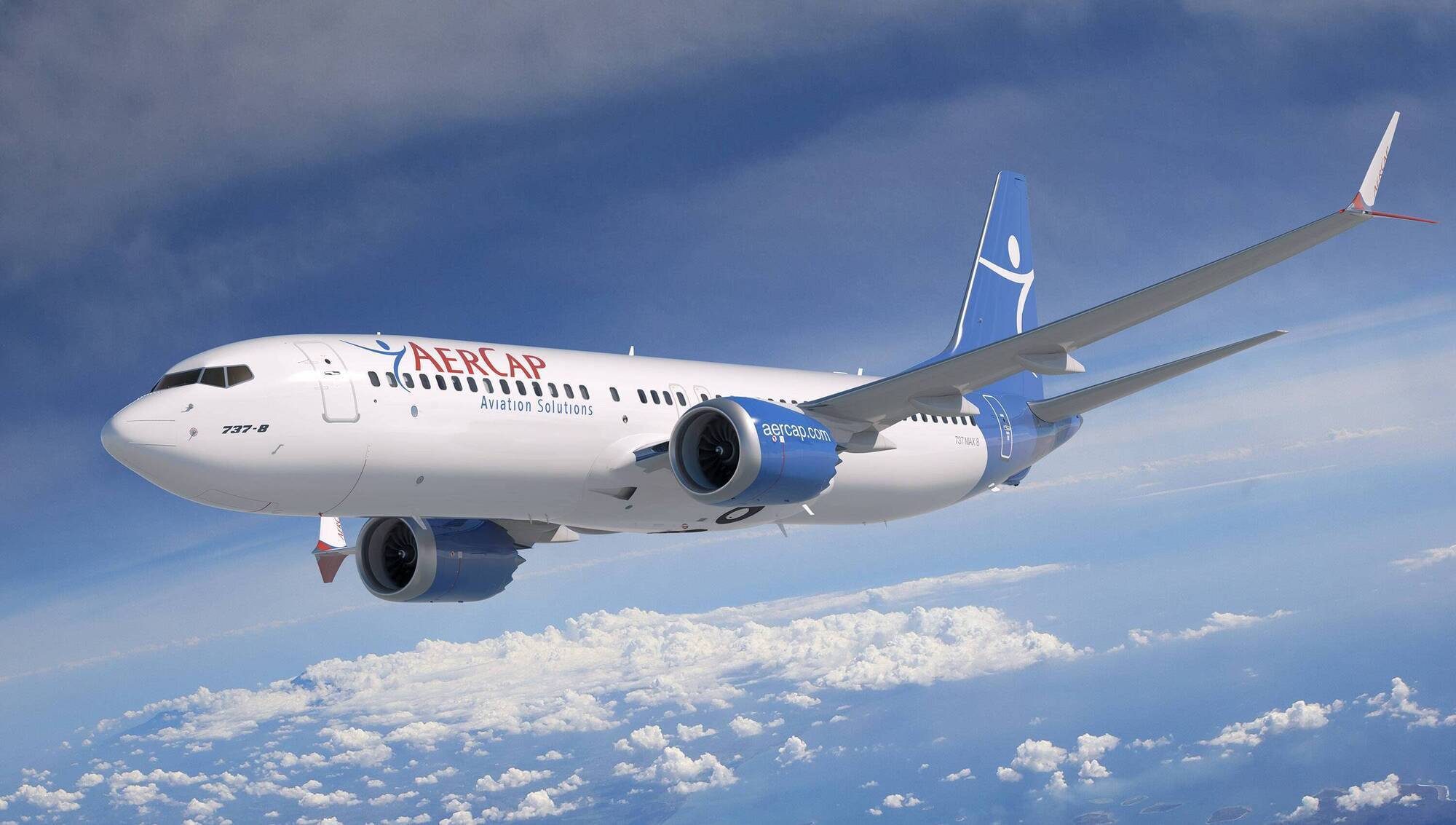
Higher funding costs and tightened aircraft availability, reaching levels not seen in years, are enabling higher lease rates.
The aircraft leasing sector entered 2026 with a broadly favourable global outlook, underpinned by a mix of strong demand for air travel, constrained aircraft supply, and resilient airline profitability.
Market reports showed that the global aircraft leasing market would grow to $226bn (€192.6bn) in 2026, at a compound annual growth rate of 8.4%.
As a global leader in aircraft leasing, Ireland was expected to process over half of this.
However, this has all changed as the Iran war has hit aviation fuel supply, doubling the price in a matter of two months, and as airlines have raised their ticket prices to balance their budgets, travellers may cut back on their flights, hitting airline profitability.
For the aircraft lessors, AerCap and Avalon Aviation, two of the largest globally, who reported strong growth in their Q1 2026 financial releases last month, the landscape is surprisingly signalling an opportunity.
AerCap reported record financial results for the first quarter of 2026, with basic lease income reaching $1m (€0.9m), a 2% increase from the same period in 2025.
Whereas Avalon’s lease revenue reached $762m after a 12% increase.
Both Dublin-based companies, in their quarterly financial releases, indicate that higher funding costs and tightened aircraft availability reaching levels not seen in years, are enabling higher lease rates.
AerCap acknowledged that losses from the liquidation of Spirit Airlines after a period of receivership, where they had a sizable fleet lease, impacted the Q1 results, but it did not take the bullish gloss off the forward forecast by the company.
AerCap CEO Aengus Kelly stated that the strong results in the first quarter will enable the continuity of the company’s share buy-back scheme by a further $1bn (€0.9bn) in the current year.
Going on to state that ‘We continue to see strong demand for our assets despite recent geopolitical events.’
Andy Cronin, the CEO of Avolon, who announced the company’s Q1 2026 financial results on April 29, 2026, was also bullish, commenting, “I am pleased to report a strong start to 2026, with net income for Q1 up 32% to $191m (€162m).
As the industry’s supply shortages continue, our orderbook profile coupled with our global reach positions the company for sustainable growth, delivering value for our stakeholders.”
Whereas both companies see continued strong demand for their aircraft leasing, despite the war in Iran, as well as in Lebanon and Ukraine, both indicated that if jet fuel prices persist at current levels for the next three to six months, it will place pressure on the airline industry.
The extent of the impact on individual airlines will vary depending on factors such as region, business model, balance sheet strength, and fuel hedging practices.
To-date, airlines have been able to pass on a significant portion of higher fuel bills to consumers.
However, leasing executives in the short term see opportunities for growth if elevated fuel costs continue and severely hit airline profitability, as fuel represents one-third of their operating costs.
In these circumstances, leasing companies predict certain airlines will be forced to sell their aircraft to the leasing companies and lease them back, in an effort to continue operating. Obviously, to the advantage of the leasing companies.
Ryanair CEO Michael O’Leary recently cautioned that jet fuel supply disruptions could materialise as early as this month if the ongoing conflict in the Middle East continues.
Rising fuel costs, as recently experienced by airlines such as Spirit Airlines and Alaska Air, substantially increased their operational expenses, and in the case of Spirit Airlines was the final straw that forced them into liquidation.
Alaska Airlines last week announced it’s preparing to take on one billion dollars in new debt as it is facing higher-than-expected fuel costs this year, putting pressure on its balance sheet as it works to recover from recent operational challenges.
There is an opportunity for Ireland’s large range of leasing companies, as higher aviation fuel prices may accelerate the retirement of older, less efficient aircraft, forcing airlines to seek newer, more fuel-efficient planes from lessors.
This scenario developed during the covid industry collapse and created major losses for leasing companies.
While the immediate effects of fuel shortages on lessors may be contained, the industry remains vulnerable to the indirect consequences of rising fuel prices and supply chain disruptions.
Should airlines face sustained financial strain, their capacity to fulfil lease payments could be jeopardised, ultimately impacting lessors’ revenues.
Ireland’s aircraft leasing sector’s proven adaptability and financial ingenuity will be critical as it confronts the evolving challenges posed by global uncertainties in fuel supply.