David McNamara: Markets rally amid hopes of end to Middle East war
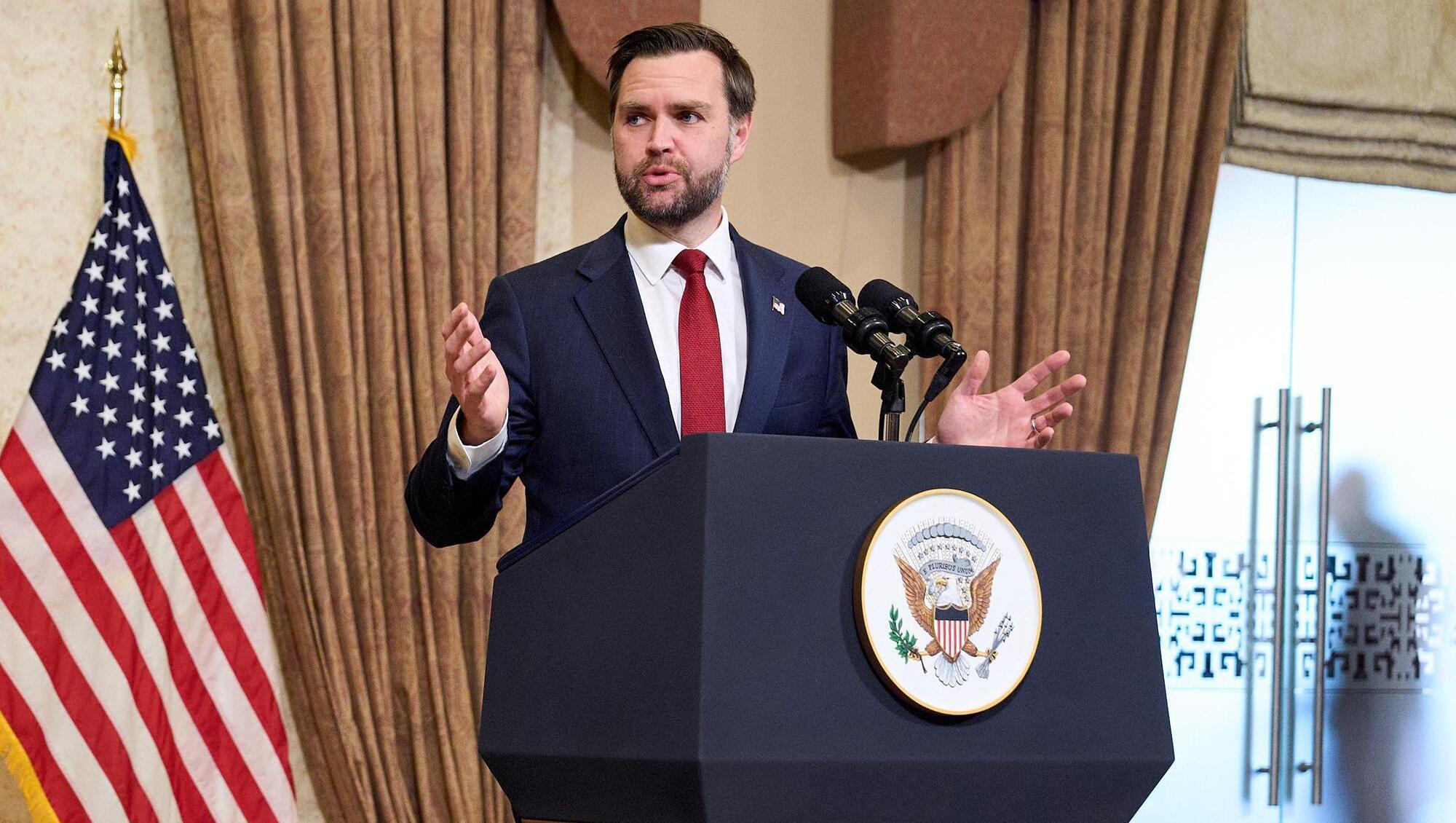
US vice president JD Vance in Pakistan for talks. Markets have seen a relief rally over the past week, as investors price in the end of the current Middle East conflict. Picture: AP Photo/Jacquelyn Martin
Markets have seen a relief rally over the past week, as investors price in the end of the current Middle East conflict. Central bankers have also been mollifying their outlook for rates, following the initial burst of hawkish comments when the conflict began.
The ‘risk-on’ mode has been further bolstered by news of a ceasefire between Israel and Lebanon. European equities have gained nearly 2% on the week, with much larger gains on Wall Street, with the S&P 500 up around 4% to 5%. The dollar has also fallen further as the tail risks around the conflict diminish further. Negative developments in the Strait of Hormuz over the weekend has seen these market gains being somewhat undone in early trading this week, but the overarching theme is one of investors pricing in the end of the current conflict.
Adding to the general sense of cautious optimism, central bankers attending the IMF meetings in Washington have been talking down the risk of near-term rate hikes. Notably, Bank of England governor, Andrew Bailey, stated that the market “got ahead of itself” in pricing in several interest rate hikes in the early days of the war. However, he did caution against the Bank of England embarking quickly on the rate cuts which had been priced in at the end before the war. Similarly, ECB president, Christine Lagarde, also hinted at a ‘wait and see’ approach stating: “Colleagues who are confident that it's going to be one way or the other don't know, honestly.”
Markets have reacted to the central bank comments by softening expectations for near term hikes, with less than 50 bps of hikes now priced in by the ECB and 25 basis points (bps) of hikes by the Bank of England. However, these recent moves do not fully reverse to the dovish outlook priced in ahead of the Middle East conflict.
Interest rate futures have also softened for the Fed but still are not fully pricing in a 25bps cut this year. Much uncertainty still surrounds the future Federal Open Market Committee chair, with confirmation hearings due to begin on Tuesday for Kevin Warsh amid ongoing Dept of Justice investigations into current chair Jerome Powell. With Mr Powell dug in until these matters are resolved, Republicans may not have a majority on the Senate Banking Committee to install Mr Warsh, who has espoused dovish sentiment on the path for US rates in recent months.
This would leave the more cautious Mr Powell in place temporarily, and in any event, he has committed to remaining on the rate-setting committee after his term as chair ends, to retain leverage in what many analysts see as a politically motivated probe into apparent Fed mishandling of a major construction project.