David McNamara: Geopolitical tensions could harm the fragile global economy
Energy price falls have been helping to reduce annual consumer inflation for much of the past year, but these base effects are likely to wash through the data very soon, and could even push up inflation once more if the recent trend in oil prices persists
David McNamara: Geopolitical tensions could harm the fragile global economy

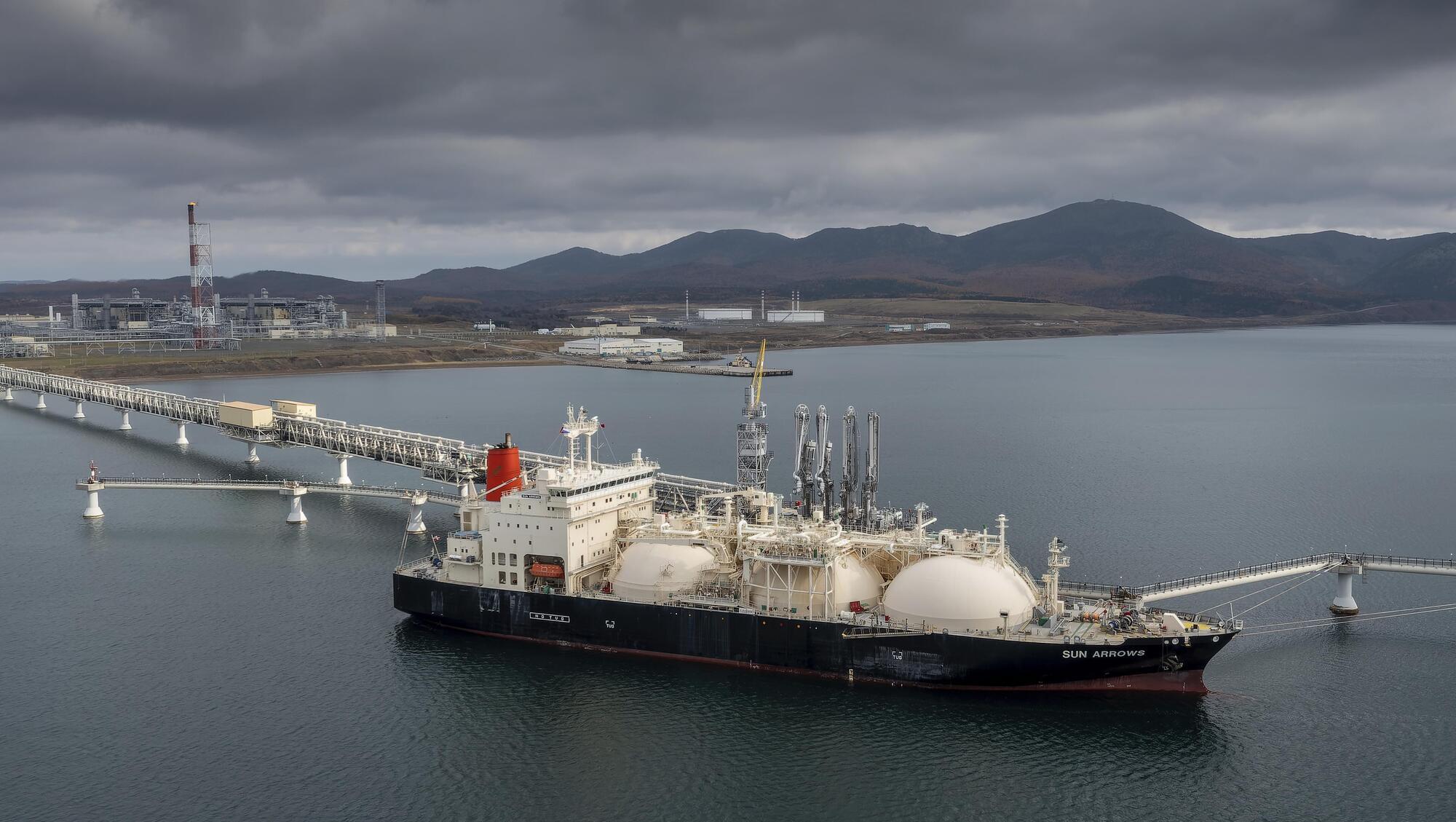
Brent Crude oil went on the rise after the Israel-Iran attacks. It briefly topped $90 per barrel early last week.

Last week was very much characterised by “risk-off” sentiment in markets, as rising geopolitical tensions boosted safe-haven assets. 

On the back of strong inflation and consumer spending data, the dollar’s strength has also been underpinned by escalating tensions in the Middle East, as both Iran and Israel launched retaliatory attacks on each other over the past week. Having broken through the key $1.07 support level at the end of the previous week, EUR/USD fell last week to a fresh low for 2024 of $1.06, as investors flocked to safe-haven dollar assets.


To date, the primary direct impacts of the current tensions in the Middle East are via higher commodity prices and supply chain disruption, which could quickly feed through to higher producer and consumer prices. Indeed, recent European PMI surveys point to lengthening delivery times for private sector firms and rising input prices directly related to the diversion of trade from the key Red Sea channel earlier in the year. 

In its updated World Economic Outlook report, the IMF noted that the risks to the outlook are broadly balanced, but highlighted that an escalation of the conflict in the Middle East would make the current economic situation worse, leading to “a surge in oil prices and in shipping costs”.

Brent Crude oil was also on the rise after the Israel-Iran attacks. It briefly topped $90 per barrel early last week but fell back below $86 in trading on Monday, April 22. Nonetheless, the longer-term trend is that oil prices have been steadily rising throughout 2024, having troughed at $73 per barrel in December 2023, and remain an upside risk to the near-term inflation outlook. 

Indeed, energy price falls have been helping to reduce annual consumer inflation for much of the past year, but these base effects are likely to wash through the data very soon, and could even push up inflation once more if the recent trend in oil prices persists. Renewed energy price pressures could also give major central banks pause as they near an expected first cut in interest rates later this year.

The indirect effects on economies of a major escalation in geopolitical tensions in the Middle East are much harder to gauge. In 2022, household and business sentiment in Europe collapsed on the back of the Russian invasion of Ukraine, which likely compounded the negative hit to consumer spending and business investment from the spike in energy prices. 

At present, the move in markets has been muted, while the impact on household and business sentiment will take longer to emerge.

This week, the main releases will be US GDP for Q1 2024, and the key March reading of core-PCE inflation. Meantime, the flash PMIs for April in the main advanced economies are due. Investors will also be keeping a close eye on geopolitical tensions.

  • David McNamara is the Chief Economist with AIB
x

More in this section

Cookie Policy Privacy Policy Brand Safety FAQ Help Contact Us Terms and Conditions

© Examiner Echo Group Limited