Oliver Mangan: When ECB rates do fall, they will settle far above previous levels
Rates expected to decline to about 2.5%, far above their previous zero or negative levels
Oliver Mangan: When ECB rates do fall, they will settle far above previous levels

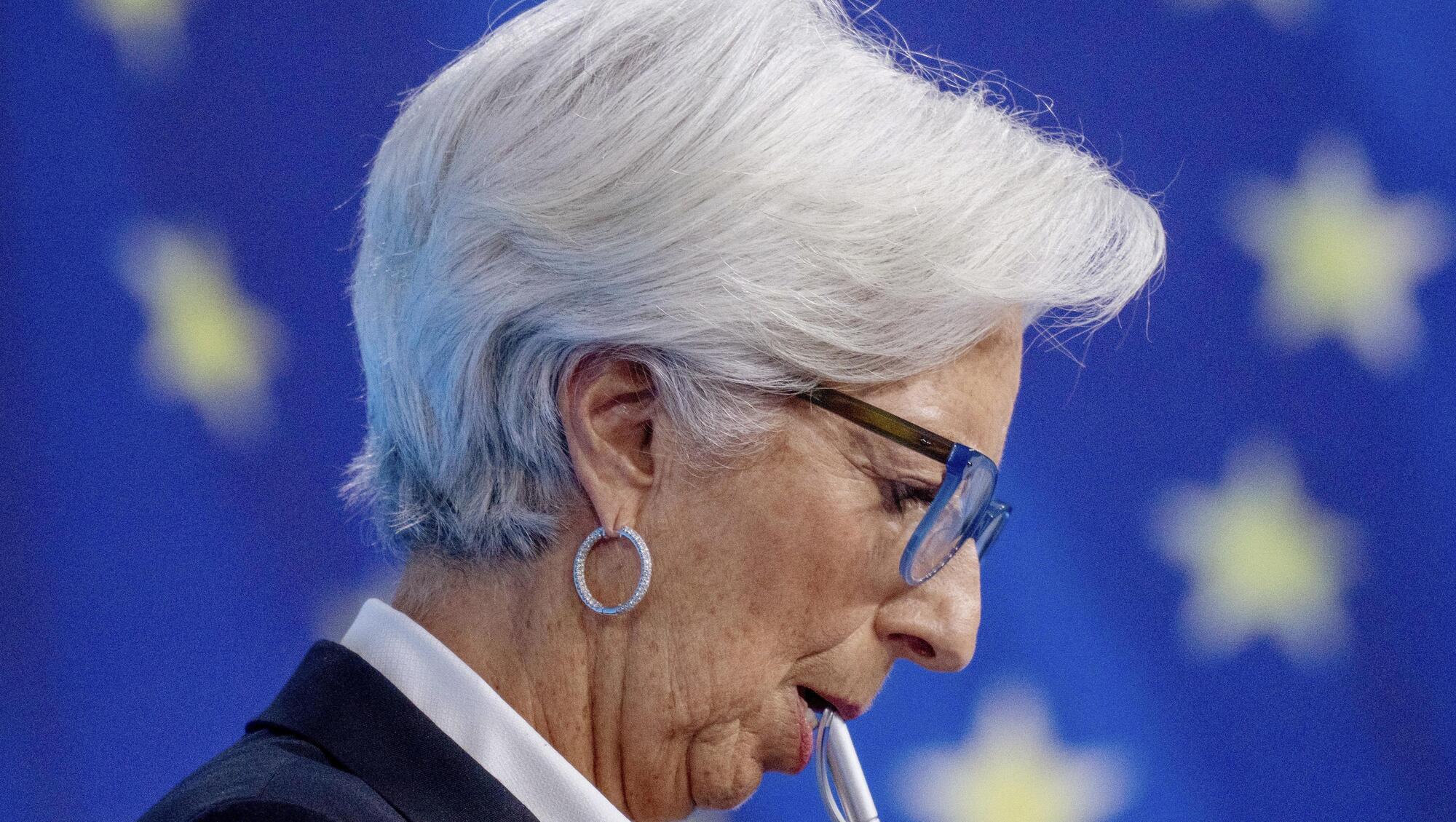
ECB President Christine Lagarde has emphasised that once euro rates reach a peak, they would be kept on hold for as long as necessary.

The US Federal Reserve has opened the door to pausing its rate hiking campaign, following a 25bps rate increase at its policy meeting last week, which brought the funds rate up a 5.0-5.25% range. 

It is no longer guiding that additional tightening in monetary policy may be appropriate. Instead, it will now take into account a number of factors in determining the extent to which further policy firming may be needed.


The language used in its post-meeting policy statement suggests the bar is going to be high for further rate hikes to be implemented. 

In particular, the Fed noted the current stresses in the US banking system are expected to result in tighter credit conditions for households and businesses that will likely weigh on economic activity, hiring and inflation.

Meanwhile, markets believe we are approaching the peak in rates in the eurozone and UK as well. Following a 25bps hike last Thursday, the ECB is expected to deliver either one or two further 25bps rate increases this summer, with the key deposit rate peaking in a 3.5-3.75% range. 

It is also anticipated that the Bank of England will hike rates by 25bps at its policy meeting this Thursday, and then deliver one or two more similar-sized rate increases by September, taking the bank rate to a peak level of 4.75-5%.

Overall, this represents a large amount of rate tightening of the order of 425-500bps by these three central banks over a relatively short period of time. 

With rates at or approaching a peak, and given the scale of policy tightening, attention will soon focus on when central banks may begin to lower rates and the extent of such policy easing.

A number of points are worth making in this regard. With inflation still high, central banks are indicating policy will need to be kept tight for some time after rates reach their peak. 

The view of the US Fed is that inflation will be slow to come down. Core inflation has remained sticky in the US, with the core CPI rate stuck at 5.5-5.6% in recent months. Fed chair Jerome Powell has indicated if its view on inflation proves correct, then it would not be appropriate to cut rates this year.

Meantime, ECB president Christine Lagarde has emphasised that once euro rates reach a peak, they would be kept on hold for as long as necessary to return inflation to the 2% medium-term target.

With core inflation also proving very sticky in the eurozone, this does not sound like a central bank contemplating an early reversal of rates hikes.

Nonetheless, rate cuts are being priced in everywhere, starting this autumn in the US and early next year in the UK and eurozone. It may be that markets believe a marked tightening of credit conditions will weigh heavily on growth over the remainder on the year and put significant downward pressure on underlying inflation, allowing central banks to start lowering rates.

However, it is not anticipated by markets that rates will return to anywhere near the previous super-low levels that prevailed before the current rate tightening cycle commenced. 

Rates are seen as falling to around 2.75% in the US and 3.75% in the UK by mid-2025, with ECB rates declining to circa 2.5%, far above their previous zero or negative levels.

  • Oliver Mangan is chief economist at AIB

More in this section

Cookie Policy Privacy Policy Brand Safety FAQ Help Contact Us Terms and Conditions

© Examiner Echo Group Limited