Any hopes slowing economic growth would reduce rate hikes have now been crushed

ECB rates are expected to get to 2.25% by mid-2023
Any hopes slowing economic growth would reduce rate hikes have now been crushed

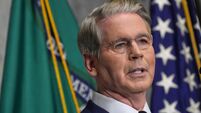
Robust labour markets have provided central banks with a window to continue to tighten policy aggressively in the coming months. Picture: PA

It has been a rough few weeks on financial markets. 

Both the S&P 500 index in the US and Euro STOXX 50 are down by close to 10% since mid-August. Ten-year US Treasury yields have risen from 2.6% to 3.25% since the start of August, with 10-year German bond yields climbing from 0.7% to 1.5%, and yields on 10-year UK Gilts soaring from 1.75% to 2.9%.


The catalyst has been a marked hardening of interest rate hike expectations on the back of a worsening inflation outlook, as wholesale gas prices in particular continued to surge over the summer. Central bankers have been making it crystal clear that their number one objective is bringing inflation back down to its 2% target, not the rising recessionary risks facing economies.

Thus, the optimism in markets earlier in the summer that slowing economic growth would lessen the amount of rate tightening that central banks need to do has been crushed in recent weeks. 

US rates are now seen rising to a peak of 4% by next spring compared to 3.25% a month ago. ECB rates are expected to get to 2.25% by mid-2023 compared to the 1% seen previously in early August. They are currently at zero.

Continuing robust labour market data have provided central banks with a window to continue to tighten policy aggressively in the coming months. The number unemployed in the Eurozone fell to an all-time low in July, with the jobless rate declining to 6.6%. 

In the US and the UK, the unemployment rate is at close to 50-year lows, at 3.7% and 3.8%, respectively. Job growth remains very robust in the US, with payrolls averaging gains of 378k in the past three months. Meanwhile, job vacancies also remain exceptionally high.

Thus, the only debate in markets at present is whether central banks will hike in 50bps or 75bps steps at their meetings over the balance of the year. 

Not only that, the US Fed in particular has been indicating that rates will need to be kept higher for longer to squeeze inflationary pressures out of the system. Fed Chair Powell, recently warned that policy will need to be restrictive for some time, with the historical record cautioning strongly against prematurely loosening monetary policy.

Thus, markets now look for US rates to end 2023 in a 3.5%-3.75% range compared to the circa 2.75% level expected at the start of August. Eurozone rates are now expected to stay above 2% post-2023 for many years to come, while US and UK rates are expected to settle at 3% or slightly above, over the longer term.

The Fed Chair is probably correct that central banks will need to maintain a restrictive monetary policy stance for a period, likely until end 2023. 

Much weaker growth as a result of the combined energy shock and tighter interest rate policy, though, should see inflationary pressures eventually subside, opening the door for rates to move well below what markets currently anticipate post-2023.

  • Oliver Mangan is Chief Economist with AIB

More in this section

Cookie Policy Privacy Policy Brand Safety FAQ Help Contact Us Terms and Conditions

© Examiner Echo Group Limited