Oliver Mangan: Markets begin to sniff rate hikes in the air
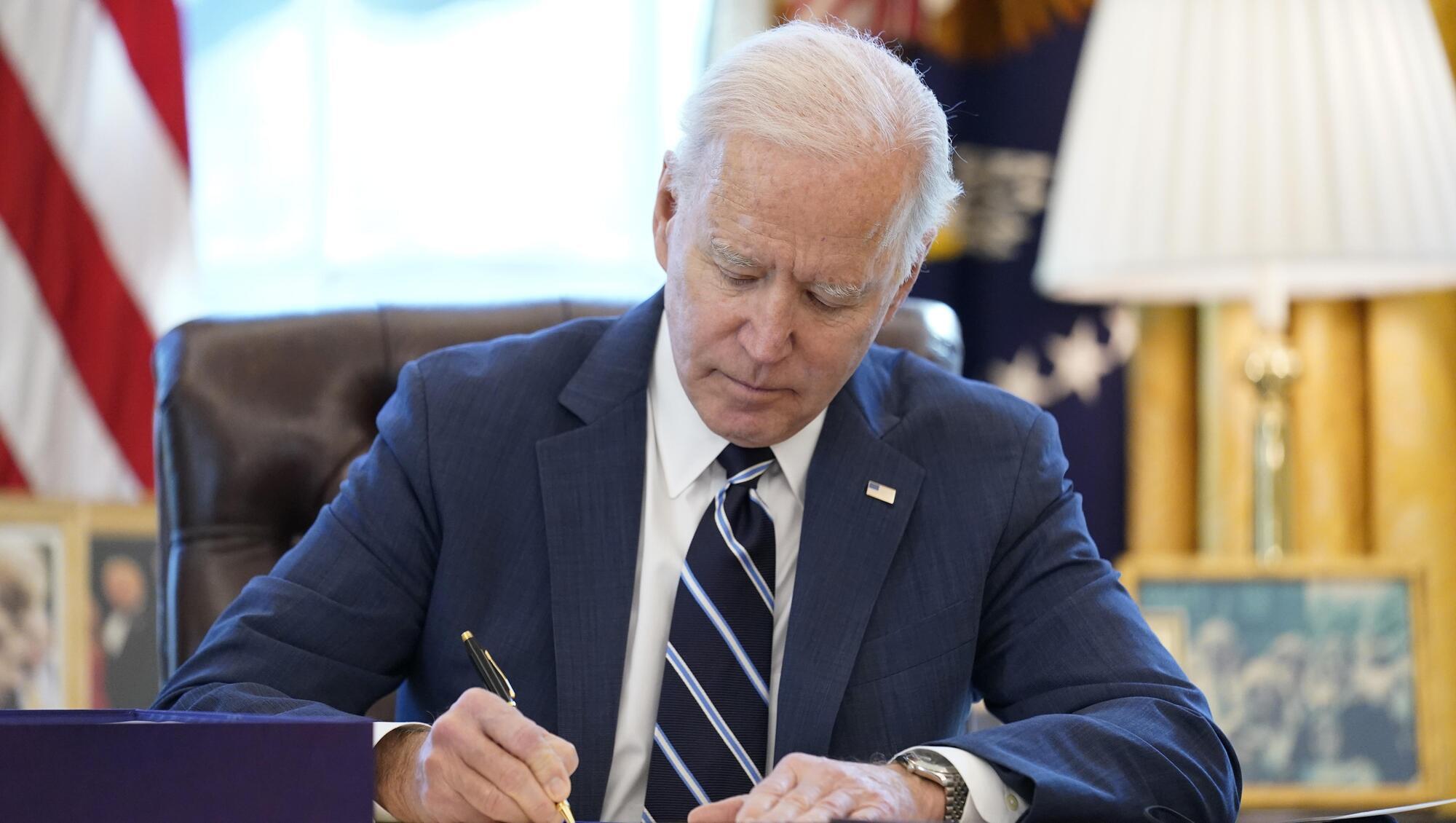
President Biden's fiscal stimulus plan is set to boost the US economy and raise expectations of interest rate hikes.
The main central banks all held monetary policy meetings over the past fortnight.
It saw them try to soothe market fears that rising inflationary pressures could see interest rate hikes commence as early as next year in some major economies.
Central bankers are strongly of the view that the rise in prices that is anticipated over the course of 2021 is not the start of an inflationary spiral.
Rather, they highlight that the pick-up in inflation is coming from very low levels and should only see annual rates rise to about their 2% target level.
Much of the rise is due to base effects, such as an unwinding of the sharp fall in energy prices and cuts in Vat rates seen in 2020. Thus, central bankers view the rise as transitory.
Indeed, in the eurozone, the ECB sees inflation dropping back again to well below its 2% target level in 2022 and 2023. Central bankers also point to the considerable slack in labour markets as keeping inflation in check over the next few years.
The US Federal Reserve expects to keep rates on hold until the end of 2023.
Markets, though, are not convinced, with futures contracts continuing to price in that the Fed will start hiking rates from the second half of next year. UK rates are also expected to rise from next year.
Central banks, though, have been increasing both their growth and inflation forecasts, and this is what markets are focusing on. Thus, bond yields continued to rise in the aftermath of the recent meetings.
Market patience is likely to continue to be tested. The $1.9trn Biden fiscal stimulus package, combined with a rapid rollout of vaccines, should see the US economy print some exceptionally strong economic data in the coming months.
Indeed, the Fed has jacked up its US GDP growth forecast to 6.5% from 4.2% previously. It is now also projecting that inflation will rise to near 2.5%. The unemployment rate is forecast to fall to below 4% by the end of 2022.
Markets are going to take some convincing that the Fed will hold off on rate hikes until 2024 in this environment. Indeed, investors could become increasingly concerned that Fed policy inaction risks letting the inflation genie out of the bottle.
The upward move in eurozone bond yields has been much less pronounced. This reflects the slow vaccine rollout, much less fiscal stimulus, a more gradual economic recovery, and the expectation that inflation will be well below target in 2022 and 2023.
Thus, the market believes that eurozone rate hikes are still a long way off. Nevertheless, it will be hard for eurozone bonds to resist the pull of gravity if yields continue to rise elsewhere.
• Oliver Mangan is chief economist at AIB