Watchdog: 2017 budget breaks EU rule
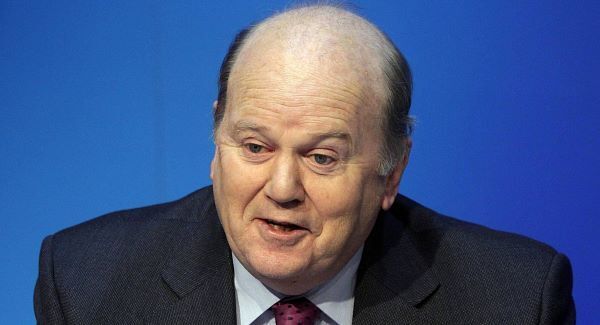
In its assessment of the spending increases and tax cuts Mr Noonan unveiled last month, the Irish Fiscal Advisory Council (IFAC) said the proposed budget items mean the State will likely spend ā¬200m more than is justified under the oversight Brussels has over national budgets.
It warned also there was little remaining buffer for spending increases next year and in the coming years, should the economy be hit by any economic blow.
IFAC chairman John McHale, who steps down from the watchdog in the coming weeks, told reporters the breach was particularly disappointing because the rules were put in place to stop any repeat of the conditions that led to the crash in the first place.
The Stateās so-called fiscal space out to 2021 was already āalmost allā accounted for, he said.
āThe fact that planned expenditure was already set at the maximum limit permitted by the expenditure benchmark is a concern,ā IFAC said in its report.
The watchdog was set up by statute at the height of the financial crisis and it was subsequently given the power to endorse or reject Government economic forecasts.
However, its assessment of the ā¬200m breach in budget 2017 acknowledges under the EUās own rules the spending excess āis not considered a significant deviationā and would be unlikely to trigger any large fine for the State.
Earlier this month, the European Commission effectively gave Mr Noonanās budget a preliminary pass rate, saying the measures were ābroadly compliantā with EU budget rules. Its final assessment is due next spring. The Commission had also warned the State about relying on potentially āvolatileā corporate tax revenues to fund in creased spending.
Ahead of the latest exchequer returns figures published later this week, corporate tax revenues have already taken in ā¬821m more than was anticipated.
It was a warning IFAC has repeated for a second year. Corporate tax receipts delivered one in every eight euros in exchequer revenues and relying on an uncertain tax source was unwise, the watchdog said.
Prof McHale said the āpositivesā for the economy included an unemployment rate which had tumbled from its peak of over 15%, and the sharp fall in the Stateās cost of borrowing.
However, citing softening in retail sales growth and industrial output, Prof McHale said there were āwarning signsā about the slowdown in growth in the underlying economy.