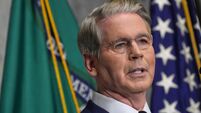
Serious Fed Bank action is urgently required
The stock market bubble of 2001, followed quickly by the 9/11 disaster have come and gone however, and some already take the view that the sub prime storm has already been weathered.
That is probably over- optimistic and reports yesterday suggesting that up to 20% of jobs in the investment banking world are to be shed in the wake of the sub prime crisis is tangible evidence that the crisis, which until now has been seen mainly is the volatility in the stock markets, is starting to affect jobs and banks globally. Speculation is also growing that about 20% of the sub prime lending conducted through 2005 and 2006 will result in huge foreclosures on US homes.

That backlash in terms of jobs and house repossessions is the other side of the credit crunch, but it is also proof, some argue, that the interest rate hikes in the US have finally put a stop to the madness that led to the current sub prime crisis and the resulting credit crunch.
However, markets are still looking for a lead from Federal Reserve chairman, Ben Bernanke, who is said to still be undecided about how much intervention is required in terms of interest rate cuts.
Somebody put it well yesterday when they said that Bernanke was caught in the historic dilemma that has faced central bankers of trying to satisfy the competing demands of the real economy and a financial system that is in shock.
One of the big questions is that if he gives too much of a hand-out to bankers, they will fail to learn lessons from this crisis and go on to repeat their mistakes, knowing the central bankers will come to the rescue.
It has been said that the decision he takes in the coming weeks could define the fate of the US and the global economy for years to come. That’s probably overstating the case. As has been said, the US has demonstrated a huge capacity to deal with crises head on and to bounce back, irrespective of the odds against it.
During the week, Liam O’Mahony, chief executive of CRH made the following observations when asked about the future outlook for the US, which has in fact been extremely good to CRH for several decades as its key market outside Europe.
In the early 1970s he said the Japanese thought they were going to buy much of the success that the US had generated. Then the Europeans had similar ideas in the 1980s.
Neither succeeded and the US ended up taking back control of many of the enterprises that had been bought over. History shows that the US is resilient and that it’s ‘quick to respond’ attitude sees it come up trumps in the end.
Mr Bernanke faces a few hard choices in the run up to 18 September when the entire financial sector expects he will cut the high street rates for borrowers to help the global economy over the present crisis.
Some believe there is little room for fancy debate between making policies for the real economy and the financial system, especially at a time like this, and when it is a painfully obvious that both are seriously interlinked according to Dermot O’Brien, chief economist, NCB Stockbrokers.
Failure to adequately address the problems of financial markets will undermine the Fed’s ambitions to maintain a decent pace of growth in the US economy.
Like others, O’Brien is clearly of the view that it will simply take more than US resilience to get the economy over this particularly difficult and that serious Fed action in the shape of lower interest rates is urgently required.