Preparing for a hard border amid British political chaos
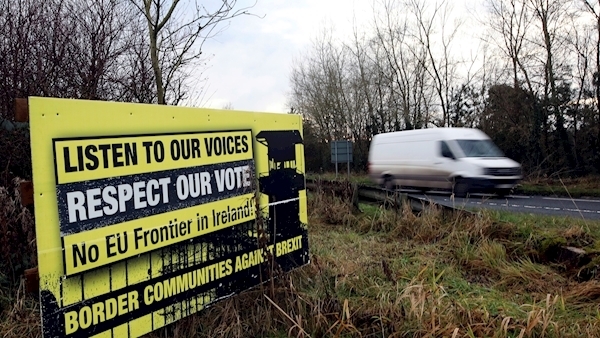
As UK politics consumes itself, a hard border and the ensuing chaos look inevitable, writes business editor
Fears that the British political chaos could inadvertently lead to a hard Brexit have worsened significantly.
Everyone agrees it wasn’t supposed to be like this: The way people had thought about a hard Brexit was as some sort of a bad outcome in which Britain cut itself off from the existing customs union and the single market.
However, even that worst-case scenario came with some sort of agreed transition deal that bought everyone a bit of time.
Now with the rejection of Theresa May’s withdrawal plan, a most disorganised exit is on the cards. British politics driven by the views and interests of English nationalism has been unable to come to terms with the political rights and economic interests of Irish citizens in the North.
Experts warn us to buckle up if the hopelessly divided UK continues to fail to get a grip on its Brexit.
Planes and Airports
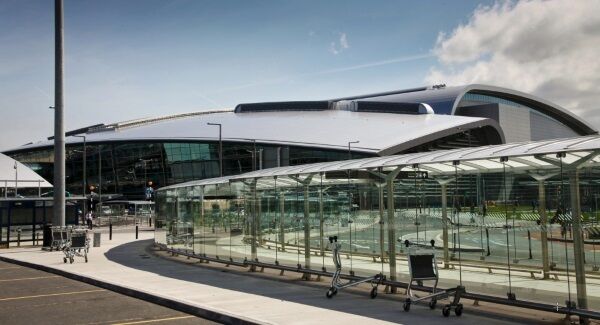
Ryanair boss Michael O’Leary famously warned last year that planes flying between the UK and Ireland and any other EU country would be grounded unless an agreement was struck on extending aviation accords.
Such warnings from the industry have since been dialled-down and airlines report no slackening in bookings from March next year.
There are reassuring noises that the EU will offer the UK so-called third and fourth freedoms. The nightmare scenario that flights will be grounded for passengers is not going to happen, the industry says.
However, there are a lot of things that could still go badly wrong. The issue of how UK airports treat Irish citizens in the Common Travel Area and other EU passport holders is one problem, and professor Edgar Morgenroth at the DCU Business School says there are a host of other problems. Citing aircraft maintenance certificates, “the stuff no one needed to concern themselves with in the past will have to be dealt with”, he says.
Aidan Flynn, general manager of business group Freight Transport Association Ireland says that freight will be an immediate problem for Irish airports. By volume, Irish airports handle relatively little cargo but the value of those exports, which include pharmaceuticals, is huge, Mr Flynn says. He says Heathrow is an enormous hub for Irish freight for Irish companies.
Ports
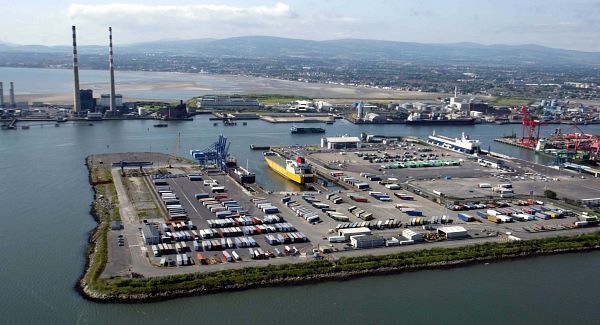
“It’s trade suicide”, says the Freight Transport Association Ireland’s Mr Flynn. “There is nothing to compare with the potential disruption because trade has ballooned and what happens next is in the gift of the UK,” he says.
At ports, the biggest issues will be health and sanitary food issues which will affect Ireland’s huge trade in agri-food trade, in particular. As the Government recruits revenue, customs and veterinary inspectors, the number of checks on goods will rise and traffic will face more restrictions. “The biggest issue is to provide room for trucks at the ports. For instance, 50% of chickens will require physical checks, all agri-food will require 100% documentary checks, so there is quite a bit of preparation and up-skilling required because there will be requirements for all drivers to have documentation,” says Mr Flynn.
From ports along the east coast, from Larne, Co Antrim, to Cork, there are more than 40 sailings a day bringing trucks back and forth across the Irish Sea. From an Irish Republic perspective, Dublin “is massively important”, says Mr Flynn.
Additional inspections will involve garda, fishery inspectors, and immigration checks covering the Common Travel Area. The closing of the M26 motorway in Kent last month as part of the UK’s plans to prepare for lorry tailbacks from Dover did little to sway opinion in the UK parliament in favour of Ms May’s withdrawal bill. Mr Flynn says the UK will have to sign up to the EU convention that will allow the transit of trucks, the so-called land bridge through Britain, for travel onto the continent.
The significant volumes of Irish trucks on British motorways cannot be overstated: 140,000 trucks a year from Ireland use the ‘land bridge’ and Irish freight accounts for 7% of all trade at Calais Port. Mr Flynn says that Rosslare and Waterford ports are under-utilised.
“Rosslare and Waterford should be geared up to take on more volumes. And agri-foods can only go in and out to third countries through inspection posts. And there are only three current inspection posts in the Republic: Dublin Port, Shannon Airport and Dublin Airport. So, Rosslare needs to get that inspection post,” he says.
Staffing is another huge headache. Many truckers are EU nationals who will not necessarily have Irish or UK passports. The biggest issues, says Mr Flynn, is that transport around Europe is not liberalised.
“If the UK becomes a ‘third country’, there is no right to drive trucks into that country nor is there any right for UK trucks to drive into the EU. The default license in the event of hard Brexit on day one is that there is only enough special licenses to cover up to 7% of movements.”
Border Security/Workers/Migrants
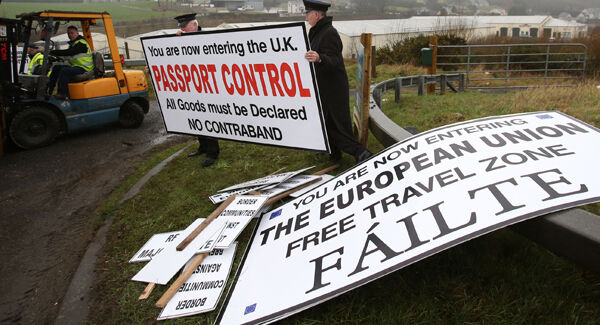
“Without anything in place on March 29, 2019, the UK will be a ‘third country’ like Russia. If there is no transition agreement because there is no agreement, the Government is obliged to
police the EU border of 362 border crossings,” says Mr Morgenroth, who lives on the Co Cavan-side
of what is currently an invisible political border. With no infrastructure, he predicts that Garda patrols and checkpoints will be set up, all to achieve a near impossible task. There are many non-Irish nationals working at the huge food processing plants across Co Tyrone, who live on the southern side of the border.
“If they are Irish, they will be covered under the Ireland Act and unless the British repeal that, the Irish should be okay. When it comes to other EU workers under a crash-out scenario… they will be left in uncertainty,” he says. “There might not be much goodwill under a culture of Brexit” to deal with contentious issues such as migrants, he warns.
Cross-Border Trade

Baileys Irish Cream has become the poster product to explain the madness of Brexit for Ireland, north and south. The milk for the cream is collected from a huge network of farms across Ireland at a dairy plant in Co Cavan for which is then trucked to huge plants in north Belfast and west Dublin to be made into the famous liqueur, much of which is for export. Disruption to any part of the supply chain for this single product is head spinning.
Mr Flynn at Freight Transport Association Ireland says fresh produce has a shelf life which Brexit will disrupt.
“Every time you open a trailer will have an impact on the actual products when they get to the supermarket shelves. You will not know whether you will be required to do a physical check,” he says. Modern refrigerated or chilled trucks are designed to carry mixed loads of produce of everything from chicken and peppers. Checks and delays raise concerns for the all-Ireland agricultural industry and the prices in shops. “It appears to be all about trade, but it will have a bottom-line impact on the consumer,” warns Mr Flynn.
Punters Going North

In Christmas 2008, with sterling slumping against the euro, long queues of vehicles of shoppers quickly formed up the southern road leading to Newry, Co Down’s shopping centres. The bargains for southern shoppers were irresistible.
However, the effects were less visible after sterling slumped an unprecedented 15% in the summer of 2016 following the UK’s Brexit vote. Austin Hughes, chief economist at KBC Bank, said any further slump in the value of sterling would likely drive more people online and hit bricks-and-mortar stores.
Fishing
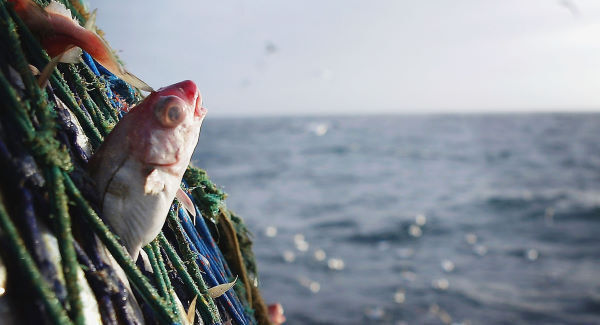
Welcoming the publication of the draft withdrawal agreement last month, the Killybegs Fishermen’s Organisation said that Ireland’s two biggest fisheries — mackerel and nephrops or prawns — “are hugely dependent on access to UK waters” and “maintaining reciprocal access to waters and resources need to be at the heart of the post-Brexit relationship in fisheries given the historic ties and inextricable links between our countries and industries”.
For Mr Morgenroth, a no-deal or disorganised Brexit, will spark fears of a return of the infamous Cod Wars between the UK and Iceland in the 1950s and 1970s over fishing rights in territorial waters.
Exports — Imports
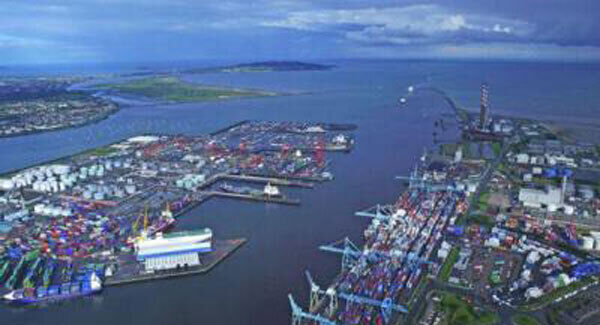
Think-tank the ESRI this week concludes that an outcome in which Britain reverted to World Trade Organisation rules, a hard Brexit by any definition, means that “the potential long-term impact of Brexit on Ireland is severe” as the shockwaves pass through the Irish economy by depressing exports. It finds the Irish economy would continue to expand but that under the most benign of outcomes “even over a one-year horizon, almost one percentage point points has been knocked off the growth rate”.
Irish living in Britain
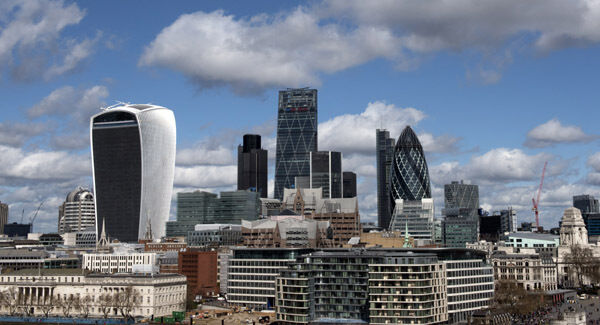
Mr Morgenroth says Irish people living in Britain should “theoretically” not be troubled because they are covered by the Ireland Act. “But consider this: Irish citizens living in Britain with non-EU or non-Irish spouses could have a problem,” he says.
A Polish-Irish or French-Irish couple moving to the UK could run into trouble under a no-deal Brexit.
Brits Living Here
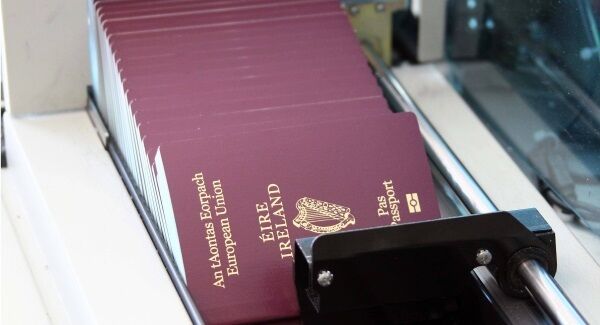
The drop in the value of sterling has already had big effects on the many retired Irish-British couples who both collected UK pensions after years working across the Irish Sea.
Mr Morgenroth says the Irish Government would likely replicate what the British have in place for Irish citizens, and the EU would not object.
Freedom of Movement
For the Irish citizens, Mr Morgenroth believes the Common Travel Area will survive regardless of the rows that a crash-out Brexit entail. However, he adds that the Windrush Generation scandal which revealed the UK government had scant regard for its own citizens shows that nothing can be taken for granted.
Tourism
Probably one of the least affected sectors by any fallout, says the experts. If sterling were to tank again, fewer people in the UK would take foreign holidays. The number of American and British tourists into Ireland has a lot to do with the spending power and the dollar and sterling values.


CONNECT WITH US TODAY



Be the first to know the latest news and updates