Doctors ‘went against protocols’ to save girl stabbed in Parnell Square attack, trial told
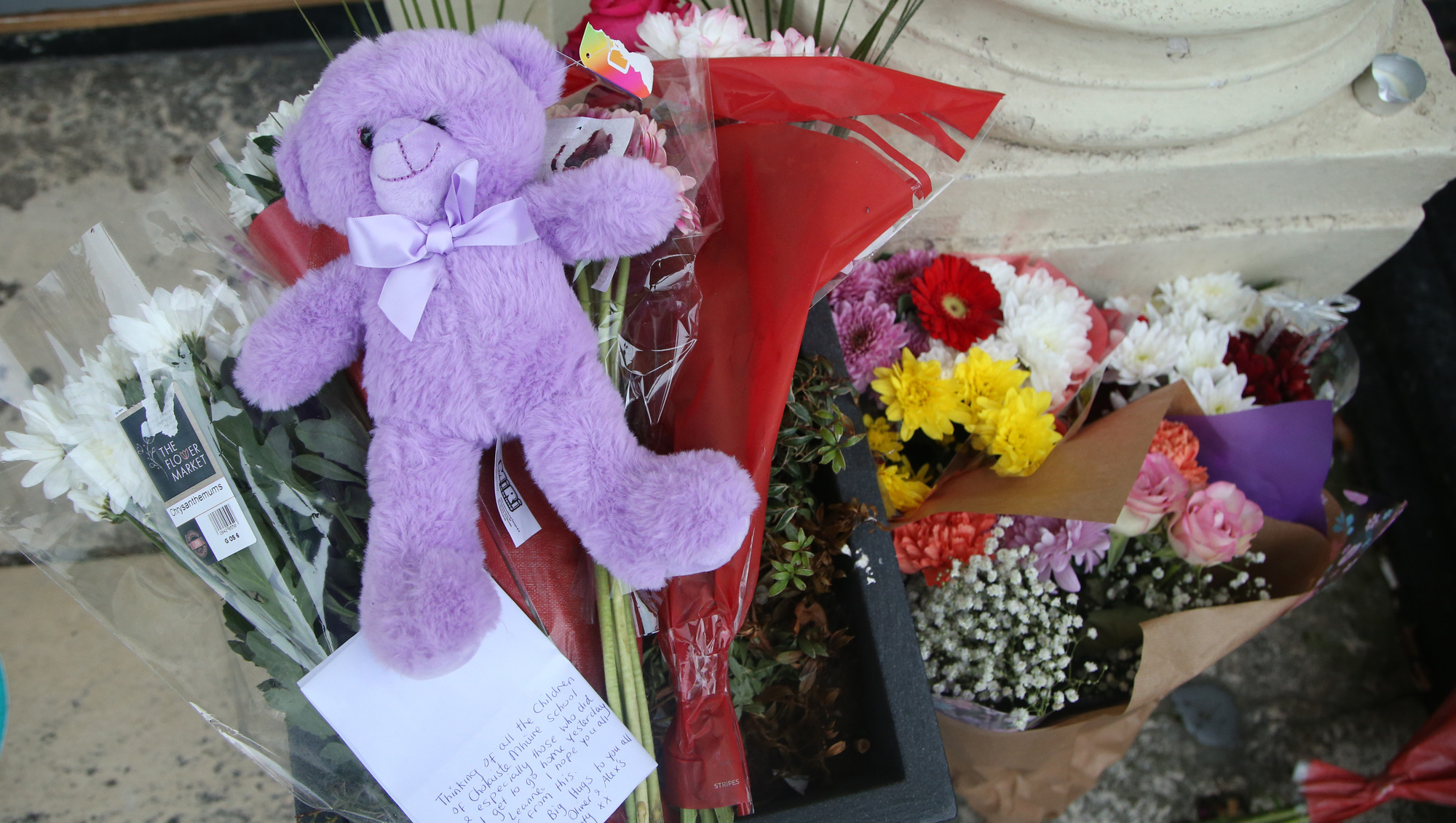
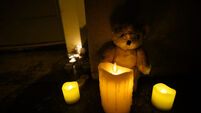
Flowers and tributes left at the scene of the Parnell Square attack in Dublin. File picture: Stephen Collins/Collins Photos
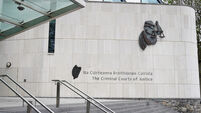
A consultant has told the Central Criminal Court that doctors “went against protocols and just ran with things” as they tried to save the life of a five-year-old girl who had no pulse after being stabbed in the heart on a Dublin city centre street.
Dr Michael Boyle, head of the neonatal department at the Rotunda Hospital, said he believed the child was dead when he saw her grey-coloured skin and was unable to detect a pulse despite paramedics' efforts to revive her using CPR.
Dr Boyle was giving evidence in the trial of 52-year-old Riad Bouchaker, who denies the attempted murder of the girl and two other children. He also denies causing serious harm to a crèche worker, assaulting two other children and a teenager, and producing a knife in a manner likely to intimidate.
Dr Boyle told prosecuting counsel Carol Doherty BL that he came upon the scene after hearing reports of a stabbing on Parnell Square East, close to the Rotunda Hospital where he was working.
He found a large number of people at the scene, including members of his neonatal transport team, who had stopped to assist after being flagged down on their way to the hospital.
The child, he said, appeared grey in colour. Paramedics had inserted chest drains and were performing CPR in an effort to restart her heart.
He said Dr Peter Harper, a paediatric anaesthetist from Temple Street Hospital, had "fortuitously" arrived at the scene and helped insert a breathing tube into the girl's airway.
When paramedics paused chest compressions, Dr Boyle said he checked for a pulse at the girl's femoral artery but found none.
Another doctor from the Rotunda had ordered blood to be sent immediately, and a decision was made to carry out a transfusion in the ambulance.
He said the medical team “went against protocols and just ran with things” because they wanted to act as quickly as possible.
They decided to take the girl to the nearest hospital, Temple Street, despite knowing there was no cardiothoracic surgeon on site.
"She didn't have time to go anywhere else," he said.
Dr Boyle said it was necessary to bypass the emergency department because doing otherwise would have delayed the child's transfer to the operating theatre.
While the ambulance was transporting the girl, Dr Boyle ran to Temple Street Hospital and informed emergency department staff that the patient should be taken directly to theatre.
He then went to the operating theatre to prepare for her arrival and asked a colleague to contact the Mater Hospital to request that a cardiac surgeon be sent immediately.
Ms Doherty asked Dr Boyle what he thought when he was unable to find a pulse at the girl's femoral artery.
“I thought she was dead,” he said.


CONNECT WITH US TODAY



Be the first to know the latest news and updates