Garda plays with power in ‘sick notes’ case
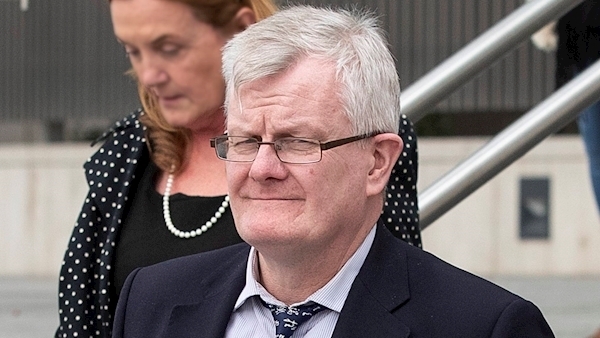
The questions around the Margiotta case are not going away. The number one question is whether the investigation and prosecution of a Garda civilian employee and her brother, a doctor, was in pursuit of a genuine concern for law enforcement.
The siblings, both in their 50s, believe it was not justified. Their belief is rooted in a body of evidence that suggests that, at the very least, this investigation and prosecution was highly unusual.
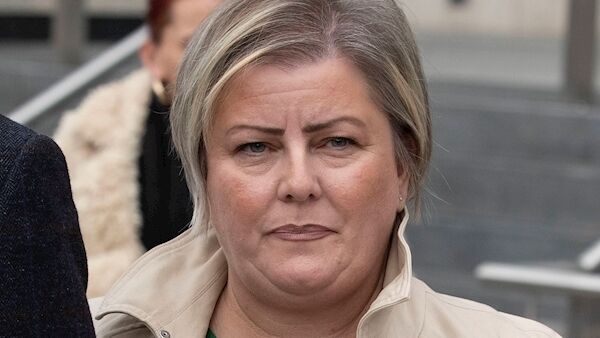
They also believe the whole case was linked to a complaint of bullying that Lynn Margiotta made against a garda three weeks before she was first arrested.
The bare facts: Ms Margiotta, a long-term civilian Garda employee, went through a period of ill health following the death of her mother in 2014. She was absent from work in Store Street Garda Station in Dublin city centre on a number of occasions in the first half of that year.
Many of her sick notes were signed by her brother Tony, a GP who was working between two practices at the time. The gardaí accept that Ms Margiotta was sick on these occasions, but their investigation concerned a suspicion the sick notes were “false instruments”.
Their case was based on the fact that Dr Margiotta signed the notes but used the stamp of other GPs. An academic in the field wrote a report for the gardaí stating that it was not unusual for locums to use another doctor’s stamp while filling out sick certs and that the practice was unregulated.
Yet the gardaí went ahead with a “lengthy investigation” — as reported in one newspaper at the time — into the Margiottas.
This culminated in a trial in Dublin Circuit Criminal Court in March that collapsed when Judge Patricia Ryan ruled that Lynn Margiotta’s rights had been breached.
Had a trial gone ahead, many extraordinary features to the case would have been aired.
These included:
When asked about the case on April 16, Garda Commissioner Drew Harris told reporters that he had provided “an initial report at a private Policing Authority meeting last month and obviously there are learning points for us”.
Now, Dr Margiotta has, through Fianna Fáil TD Niall Collins, submitted a list of 59 questions to the Policing Authority about the whole case.
“There has to be some inquiry into this,” says Dr Margiotta.
And it can’t be guards investigating guards. We are entitled to know how something like this could happen.
It is unclear whether any inquiry of any description is being conducted within An Garda Síochána. The Garda press office has stated that the organisation does not comment on named cases.
In fact, the commissioner did comment on the Margiotta case on April 16 and there is no reason why it can’t be revealed whether any inquiry is ongoing.
Why did Harris provide an “initial” report to the Policing Authority?
Was he in full possession of the facts when he reported to the Authority? The Irish Examiner published its story on the Margiotta case on the morning of April 16. Did the commissioner spot some detail in there that hadn’t been included in any report passed onto him?
One disturbing aspect of the affair concerns the expert report into signing sick notes. This was conducted by Colin Bradley, a professor at University College Cork. His report, commissioned by the gardaí, indicated that there was nothing terribly unusual about how Dr Margiotta had conducted himself.
The report is understood to have been completed in February 2015. Arguably, that fatally holed the case being made by the gardaí. Yet they ploughed on.
In the summer of 2015, Dr Margiotta was interviewed under caution on four separate occasions about the ‘sick notes’.
During some of these interviews he was asked about ethical issues in using a colleague’s stamp. According to Mr Bradley’s report, there was no ethical issue.
So why was Dr Margiotta being asked these questions? Why was he being asked about ethics at all in a matter concerned with law enforcement? Why, if the gardaí had possession by then of Mr Bradley’s report, was Dr Margiotta even required to present for interview?
By that time, Lynn Margiotta had already been arrested. If a decision to terminate the investigation was taken at that point, would a potential issue over wrongful arrest have arisen?
The gardaí furnished Dr Margiotta’s legal team with Mr Bradley’s report in the weeks before the trial in March, some four years after it had been completed.
It may well be that nothing untoward has occurred. Genuine mistakes or a series of questionable judgment calls may have been made. But there are so many questions, many of them disturbing, that answers must be forthcoming.
At issue is the use of the power vested in An Garda Síochána. The Margiottas harbour a genuine suspicion, based on the available evidence, that they were the victims of a shocking misuse of Garda power.
Their suspicion should be either confirmed or dismissed through the establishment of the full facts of the case by an independent entity or body.

CONNECT WITH US TODAY



Be the first to know the latest news and updates